
 English
 Español
 Português
 Deutsch
 Français
 Italiano
 Русский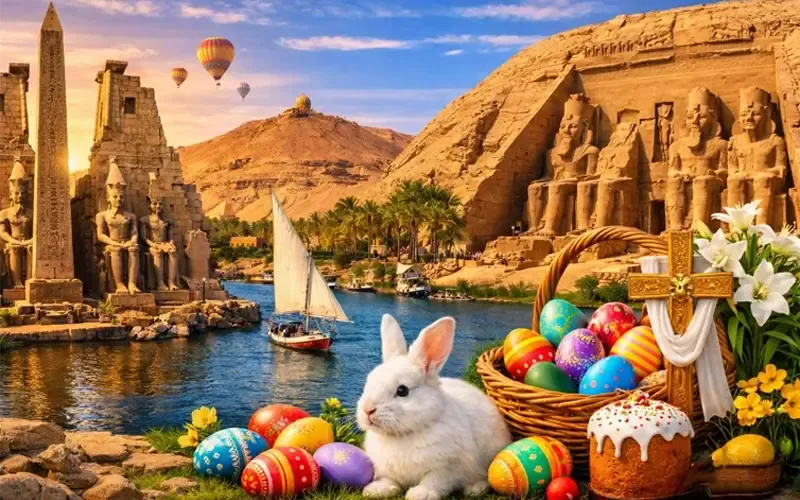
Easter in Egypt offers a double celebration—Coptic Christian Easter followed by Sham El-Nessim, an ancient spring festival everyone enjoys. From midnight church services to riverside picnics, here's everything you need to know about experiencing Easter in Egypt.
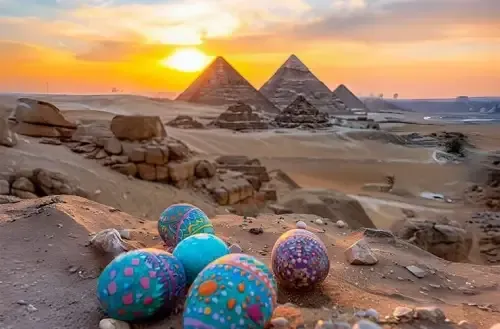
Easter in Egypt | A Unique Blend of Ancient Traditions, Spring Celebrations & Perfect Weather
The sun rises over Cairo, and the city stirs. In the historic churches of Coptic Cairo, worshippers gather in the soft glow of candlelight. The air is thick with incense and centuries of prayer. Outside, the city is waking too—but for a different reason. Families are packing picnic baskets, children are clutching colored eggs, and the smell of salted fish drifts from street-side stalls.
This is Easter in Egypt.
And it's unlike anything you've experienced anywhere else.
In most countries, Easter is a single day—perhaps a long weekend. In Egypt, it's a double celebration that stretches across days and brings together Christians, Muslims, and everyone in between. Egypt at Easter is a country transformed—spiritually reflective, joyfully communal, and bathed in perfect spring weather.
Here's what you need to know.
Why Easter in Egypt Is Unlike Anywhere Else
Easter in Egypt is unique for one simple reason: it's two holidays in one.
First comes Coptic Easter (Eid el-Qeyama, the Feast of the Resurrection), the most important date in the calendar for Egypt's Coptic Christian community—one of the oldest and largest Christian communities in the Middle East, whose roots reach back to the first century. For Copts, Easter is far bigger than Christmas—the highlight of the entire year.
Then, the very next day, the whole country pours into parks, gardens, and along the Nile Corniche for Sham El-Nessim—an ancient spring festival so old it predates Christianity and Islam entirely. Egyptians of all faiths celebrate it together.
This is what makes Easter in Egypt truly special. You get a profound spiritual experience followed by a nationwide party. Religious devotion and ancient cultural customs blend into something uniquely Egyptian.
Understanding Coptic Easter – The Heart of Easter in Egypt
When Is Coptic Easter in Egypt?
If you're planning Egypt at Easter, the first thing to know is that the date is different from Western Easter.
The Coptic Orthodox Church follows the Coptic calendar (also known as the Alexandrian calendar), rather than the Western Gregorian calendar. The church sets the date of Easter according to the actual equinox and astronomical full moon observed along the meridian of Jerusalem.
This means Coptic Easter usually falls in April or early May, often a week or more after Catholic and Protestant Easter.
For Easter in Egypt 2026, Coptic Easter falls on Sunday, April 12, 2026, with Sham El-Nessim the following day on Monday, April 13.
In 2027, Coptic Easter falls on Sunday, May 2, 2027.
The 55-Day Fast and Holy Week
Coptic Easter is the climax of a long, serious build-up. The celebration follows a 55-day vegan-style fast known as the Great Lent, during which Coptic Christians abstain from all animal products.
Holy Week begins with Palm Sunday. The week includes Maundy Thursday, Good Friday, and Holy Saturday (Easter Eve). On Good Friday, churches hold solemn masses commemorating the crucifixion.
The Midnight Liturgy and Breaking the Fast
On Easter Saturday, the culmination arrives. Churches fill for a joyful midnight liturgy that runs into the small hours. The Easter Mass is attended by large groups of worshippers, senior bishops, priests, and deacons.
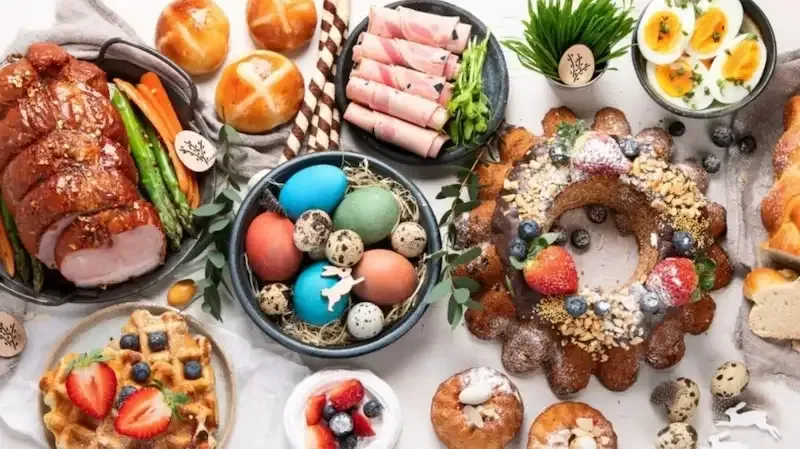
After the Mass, families break their 55-day fast with a big meal. Following weeks of abstaining from animal products, Easter Sunday is a time for indulgence—rich meals featuring meat, poultry, and traditional dishes.
Among the cherished Coptic Easter traditions is the festive Easter Sunday breakfast—a copious meal of eggs, cheese, and milk, symbols of renewal and abundance. Children decorate eggs in bright colors, a tradition symbolizing new life and rebirth.
Sham El-Nessim – Egypt's Ancient Spring Festival
If you only learn one thing about Easter in Egypt, make it this: the day after Coptic Easter is Sham El-Nessim, and everyone celebrates it.
A Festival Older Than the Pyramids
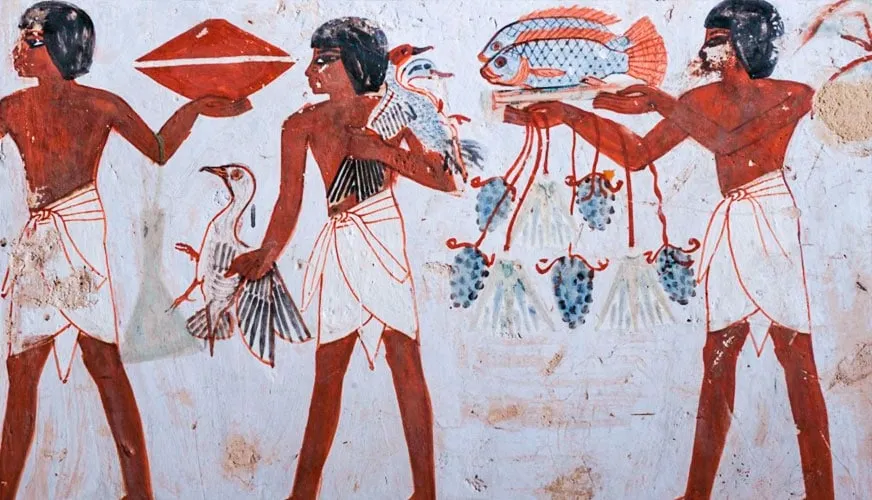
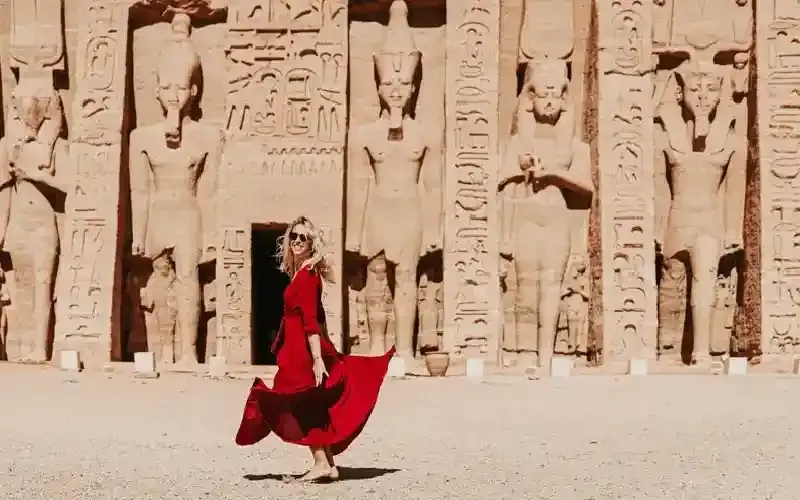
Sham El-Nessim is not a religious holiday. It's a Pharaonic feast that has been celebrated in Egypt since at least 2,700 BC—over 4,200 years ago.
The name comes from the ancient Egyptian language and means "the festival of the harvest" or "the smell of the breeze." It marks the arrival of spring and the renewal of life.
In a remarkable display of national unity, Egyptians of all faiths—Christians and Muslims alike—celebrate Sham El-Nessim together.
Traditional Foods of Sham El-Nessim
No Sham El-Nessim celebration is complete without traditional foods:
- Fesikh: fermented salted mullet fish—an acquired taste but a beloved tradition
- Salted herring: another preserved fish specialty
- Green onions: eaten fresh as a symbol of spring
- Colored eggs: painted in bright colors, symbolizing new life
If you're visiting Egypt at Easter, trying these traditional foods is a must. They're a delicious way to experience authentic Egyptian culture.
A Celebration for Everyone
Sham El-Nessim is fundamentally an outdoor celebration. Families and friends gather in public parks, gardens, and along the Nile Corniche to picnic, play, and enjoy the spring weather.
Public parks and recreational spaces across Egypt are prepared to receive large numbers of visitors during the Easter holiday and Sham El-Nessim. The Qanater El-Khairya Gardens alone prepare to welcome thousands of visitors. Coastal cities ready beaches with umbrellas and seating areas in anticipation of high turnout.
In Cairo, Al-Azhar Park is a popular destination, with its lush gardens providing the perfect setting for a spring picnic. Along the Nile Corniche, families stroll, children play, and the atmosphere is one of pure joy.
The Egypt at Easter experience is one of the best times to see Egyptian family life up close—warm, welcoming, and full of celebration.
Weather at Easter in Egypt – Perfect for Exploring
One of the biggest reasons to plan Easter in Egypt is the weather.
Easter falls at one of the best times of year to visit Egypt. Spring temperatures are warm without the summer heat—ideal for exploring open-air sites.
Expect daytime temperatures around 25–33°C (77–91°F)—sunny and warm but not scorching. Evenings are cooler, dropping to around 12°C (54°F).
The weather is perfect for:
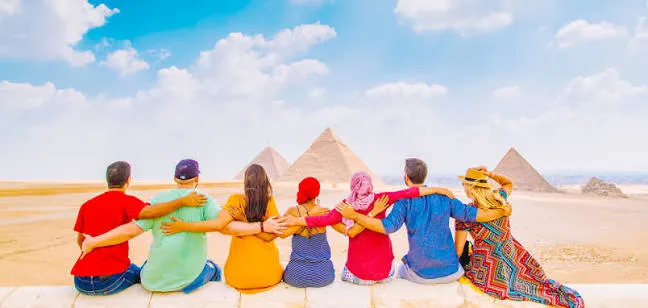
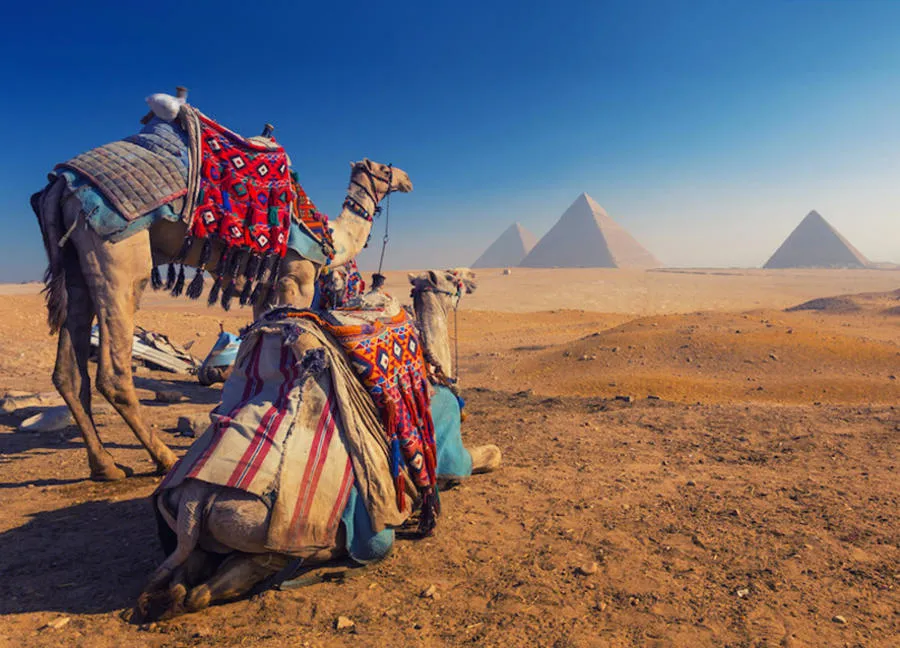
- Sightseeing at the Pyramids of Giza and the Sphinx
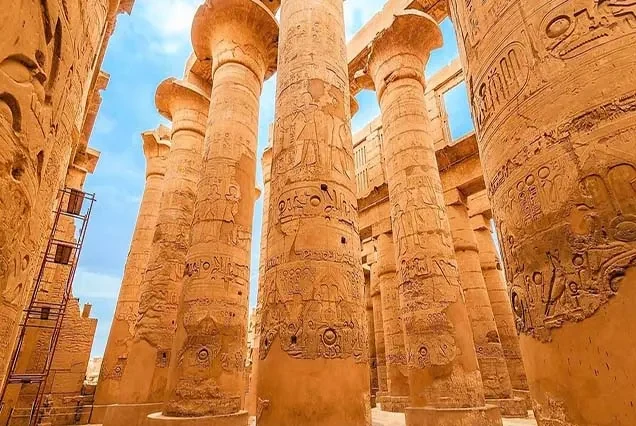
- Exploring the temples of Luxor and Karnak
- Cruising along the Nile River
- Relaxing on the Red Sea coast
March and April sit right at the end of Egypt's cooler season, so daytime temperatures are warm and pleasant rather than scorching. It's one of the most comfortable windows for full days of sightseeing at outdoor sites, before the summer heat sets in from May onward.
Where to Experience Easter in Egypt
Cairo – The Spiritual Heart of Easter in Egypt
Cairo is the center of Coptic Easter celebrations. The historic churches of Coptic Cairo—some dating back to the early centuries of Christianity—are especially atmospheric around this time.
The Hanging Church, Abu Serga Church (where the Holy Family is said to have sheltered), and the Church of St. George all hold special services during Holy Week. While services are for worshippers rather than tourist spectacles, visitors can visit respectfully to experience the spiritual atmosphere.
The Abbasiya Cathedral, seat of Pope Tawadros II, hosts the main Easter Mass attended by thousands.
For Sham El-Nessim, Al-Azhar Park is the place to be—lush gardens, stunning views of the city, and thousands of families celebrating together. The Nile Corniche is another popular spot, with families strolling and enjoying the spring breeze.
Luxor and the Nile Valley
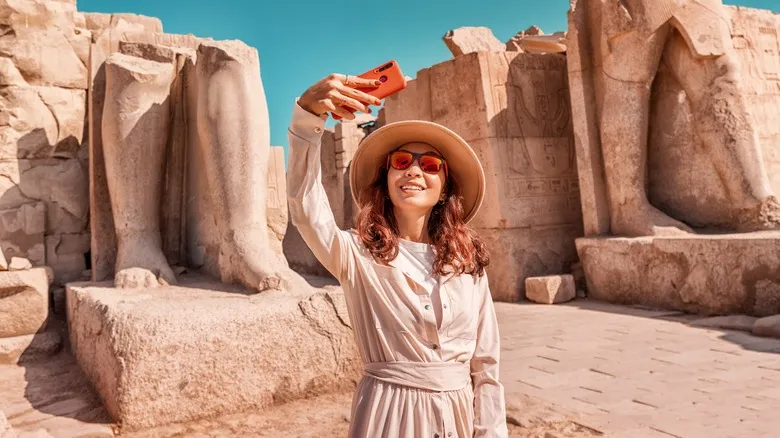
For those looking to combine Easter in Egypt with ancient wonders, Luxor is a must. The spring weather makes exploring the Valley of the Kings, Karnak Temple, and Luxor Temple a pleasure rather than a struggle against the heat.
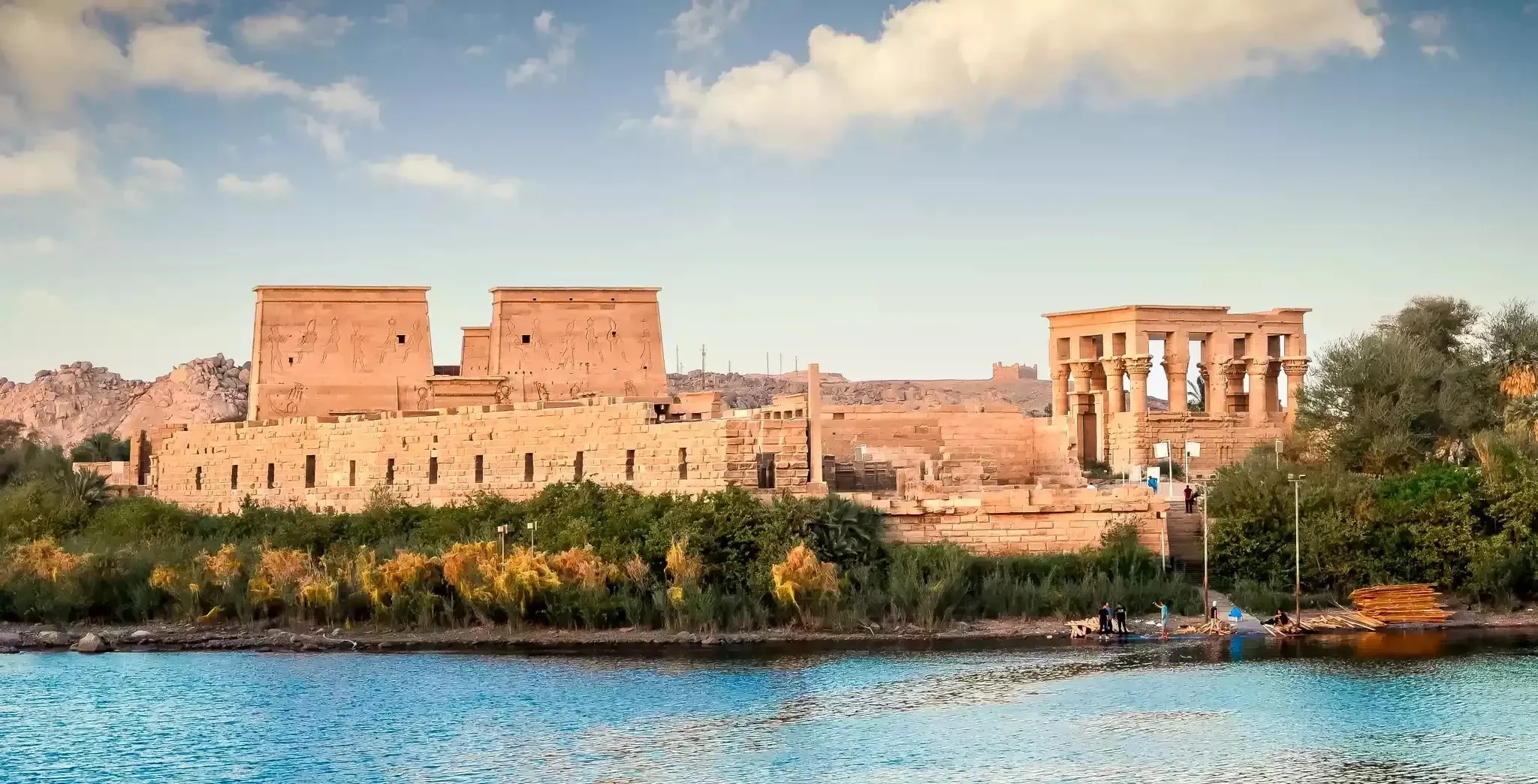
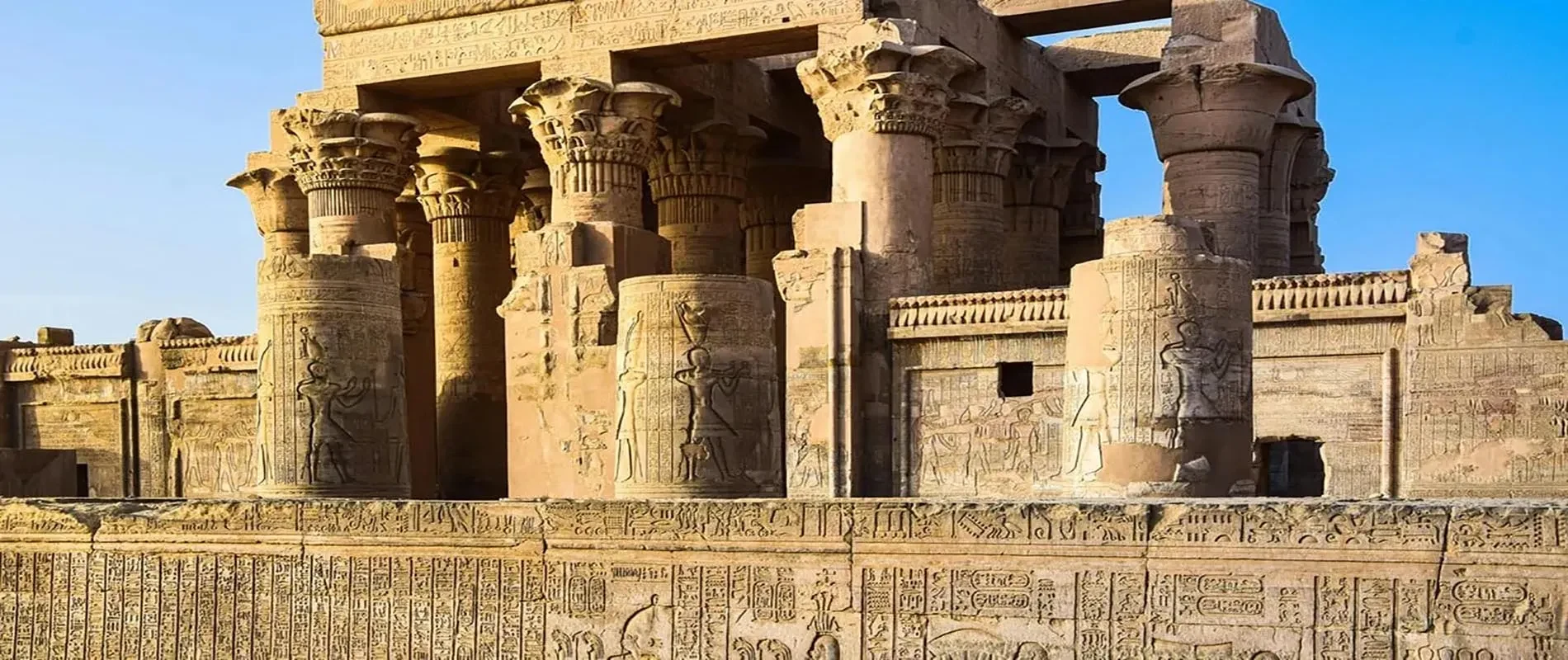
A Nile cruise between Luxor and Aswan is one of the best ways to experience Egypt at Easter. The gentle spring breeze, the stunning riverside scenery, and the ancient temples rising from the banks create an unforgettable experience.
The West Bank of Luxor—home to the Valley of the Kings, Hatshepsut's Temple, and the Colossi of Memnon—is less crowded in spring than during the peak summer months, making it the perfect time to explore.
The Red Sea Coast – Relaxation After Celebration
Many travelers combine their Easter in Egypt journey with a few days of relaxation on the Red Sea coast.
Hurghada and Sharm El Sheikh offer world-class diving, pristine beaches, and luxury resorts. The spring weather—warm but not oppressive—is ideal for snorkeling, diving, and simply soaking up the sun.
A snorkeling trip in the Red Sea is a popular addition to any Easter itinerary, allowing you to explore vibrant coral reefs and abundant marine life.
Practical Tips for Easter in Egypt
Book Early – Easter week is one of Egypt's busiest domestic and international travel periods. Nile cruise cabins, flights, and popular hotels fill up quickly. Booking two to three months ahead gives you the best choice of ship, room, and itinerary dates.
Expect Crowds – Public parks, beaches, and tourist sites are busy during the Easter and Sham El-Nessim holidays. Local authorities prepare extensively, with heightened readiness across all sectors. In Cairo, shops close at 11 pm during the holiday period. Emergency services are on high alert, with 1,650 ambulances deployed nationwide.
Try the Local Food – Easter and Sham El-Nessim are the perfect time to sample traditional Egyptian foods. Fesikh (fermented salted fish) is the signature dish of Sham El-Nessim. Colored eggs are everywhere—a symbol of renewal and rebirth.
Dress for Spring Weather – Pack for warm days (25–33°C) and cooler evenings (around 12°C). Layers are your friend—light clothing for daytime sightseeing and a jacket or sweater for evenings.
Respect Religious Services – If you visit churches during Holy Week or Easter, remember that services are for worshippers. Visit respectfully.
Consider a Tour Package – Easter in Egypt tour packages often bundle private transfers, licensed Egyptologist guides, and entry fees to major sites into one price, making for a stress-free experience. Explore our full range of Egypt Tour Packages to find the perfect fit, or customize your own with Egypt Day Tours and Egypt Shore Excursions.
Frequently Asked Questions About Easter in Egypt
Q: When is Easter in Egypt?
Coptic Easter follows a different calendar to Western Easter. In 2026, it falls on Sunday, April 12. In 2027, it falls on Sunday, May 2. It's always a public holiday in Egypt.
Q: What is Sham El-Nessim?
Sham El-Nessim is an ancient Egyptian spring festival celebrated the day after Coptic Easter. It's a national holiday that everyone—Christians and Muslims alike—celebrates with picnics, colored eggs, and traditional salted fish.
Q: What is the weather like for Easter in Egypt?
Daytime temperatures average 25–33°C with plenty of sunshine. Evenings cool to around 12°C. It's one of the best times of year to visit—warm without the summer heat.
Q: Is Easter in Egypt family-friendly?
Absolutely. Coptic Easter is a family-centered celebration with church services, festive meals, and egg decorating. Sham El-Nessim is essentially a giant family picnic day in parks and gardens across the country.
Q: What traditional foods should I try during Easter in Egypt?
Try fesikh (fermented salted fish), salted herring, green onions, and colored eggs—all traditional Sham El-Nessim foods. For Coptic Easter, families enjoy rich meals featuring meat, poultry, and traditional dishes after the 55-day fast.
Q: Where are the best places to experience Easter in Egypt?
Cairo's Coptic Cairo district is the spiritual heart of Coptic Easter. Al-Azhar Park and the Nile Corniche are perfect for Sham El-Nessim picnics. Luxor and the Nile Valley offer ancient wonders in perfect spring weather. The Red Sea coast provides relaxation after the celebrations.
Q: Can I combine Easter in Egypt with a Nile cruise?
Yes. A Nile cruise is one of the best ways to experience Egypt at Easter, combining ancient temples with the beauty of spring along the river.
Plan Your Easter in Egypt Adventure Today
There's a moment, just after midnight on Easter Saturday, when the churches of Coptic Cairo fall silent. The incense has cleared. The hymns have faded. Worshippers stream out into the cool spring night, their 55-day fast finally over, the joy of the Resurrection fresh in their hearts.
The next morning, the city transforms. Families pour into parks. Children chase each other across the grass, clutching brightly colored eggs. The smell of grilled fish and fresh green onions drifts through the air. Muslims and Christians, locals and visitors—all celebrating the same thing: the arrival of spring, the renewal of life, the simple joy of being together.
This is Easter in Egypt. A country that knows how to celebrate—with faith, with food, with family, and with the warmth of the spring sun on your skin.
But Egypt at Easter doesn't happen by accident. The churches fill up. The Nile cruises sell out. The best hotels on the Red Sea coast book months in advance. If you want to experience this unique double celebration, you need to plan ahead.
Maybe you want to attend a midnight liturgy in a church that's stood for 1,500 years. Maybe you want to taste fesikh for the first time in a Cairo park surrounded by laughing families. Maybe you want to float down the Nile on a felucca, the spring breeze in your hair, the temples of Luxor glowing in the distance.
Whatever version of Easter in Egypt you're imagining, it's possible.
Bastet Travel specializes in turning those imaginings into reality. We know which churches hold the most atmospheric services. We know which parks fill up first on Sham El-Nessim. We know which Nile cruises offer the best views and the best value. We know how to combine Cairo's spiritual celebrations with Luxor's ancient wonders and the Red Sea's crystal-clear waters.
Explore our Easter Egypt Tour Packages for curated experiences, or browse our full range of Egypt Tour Packages to design your own itinerary. Prefer to explore at your own pace? Our Egypt Day Tours and Egypt Shore Excursions offer flexible options.
Have questions about the best Easter in Egypt experience for your style? WhatsApp us and we'll help you figure it out. No pressure. No hard sell. Just honest advice from people who know Egypt inside out and have spent many Easters in this incredible country.
Or if you already know what you want, start building your custom trip with our Tailor-Made Egypt Travel service. Tell us your dates, your budget, your must-see sites, and we'll handle the rest.
Because Easter in Egypt isn't just a holiday. It's a 4,200-year-old celebration of life, spring, and renewal. And it's waiting for you.
The churches are waiting. The parks are waiting. The Nile is waiting. Plan your Easter in Egypt today.
Guest comments