
 English
 Español
 Português
 Deutsch
 Français
 Italiano
 Русский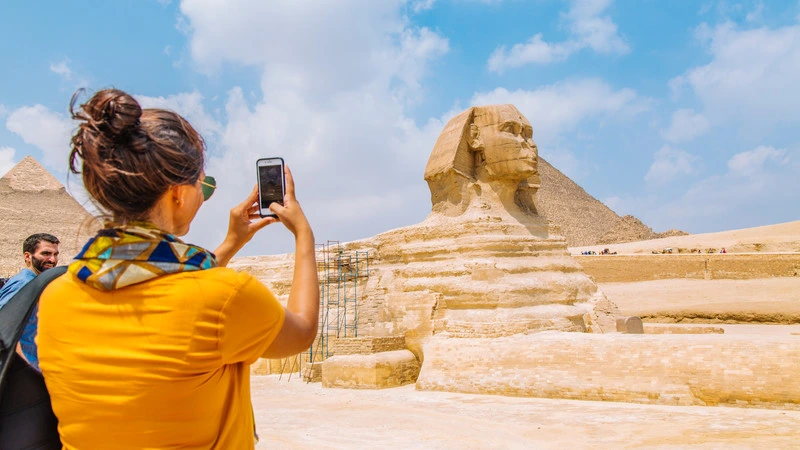
Learning how to plan a trip to Egypt can feel overwhelming, but the process follows a clear sequence. This guide on how to plan a trip to Egypt walks through every decision, from timing and visas to budgets and routes, so you can focus on the adventure.
The Night the Idea Was Born: Why Learning How to Plan a Trip to Egypt Matters
It usually starts late at night. A documentary about the Pyramids of Giza plays on a laptop, or a friend returns from a Nile cruise with photographs that look almost unreal. The idea takes hold: I want to go to Egypt. Then the practical questions arrive. When should I go? How do I get a visa? Do I need a tour, or can I do it alone? How much will it cost?
This is where most travelers stall. The good news is that learning how to plan a trip to Egypt is not complicated once you understand the sequence. Each decision flows from the one before it. Choose your season, and your route becomes clearer. Choose your route, and your transport and accommodation options narrow. Knowing how to plan an Egypt trip is really a matter of following nine steps in the right order—and that is exactly what this guide delivers.
Step One: Decide When to Go — The Season That Shapes How to Plan an Egypt Trip
The single most important decision when you plan an Egypt trip is timing. Egypt's climate is desert-dominated, which means summer heat in Upper Egypt can exceed 40°C (104°F), while winter offers mild, comfortable days. The difference between a good trip and a great one often comes down to the month you choose. When you are figuring out how to plan a trip to Egypt, start here.
Peak Season: October to April
This is the window most travelers target. Daytime temperatures in Cairo, Luxor, and Aswan settle into the 20s°C (70s°F), and evenings turn cool enough for a light jacket. The trade-off is crowds and higher prices, especially around Christmas and New Year. If you plan an Egypt trip during this period, book your hotels and Nile cruise at least three to six months in advance.
Shoulder Season: March–May and September–October
These months offer the best balance of weather, crowds, and cost. March, April, September, and October bring warm but manageable temperatures, thinner crowds at major sites, and softer light for photography along the Nile. The one caveat is the khamsin, a hot, sand-laden wind that can blow through in March and April, occasionally disrupting travel plans.
Summer: June to August
Summer in Egypt is genuinely hot, particularly in Luxor and Aswan. But it is also the cheapest season and the least crowded. If you can handle the heat, you will have the Karnak Temple and the Valley of the Kings almost to yourself. The Red Sea coast remains pleasant for diving and snorkeling during these months. For budget-conscious travelers researching how to plan a trip to Egypt, summer is the answer.
Step Two: Visas and Entry — A Key Step in How to Plan an Egypt Trip
Most nationalities need a visa to enter Egypt. In 2026, the process has become more digital. You can apply for an e-visa online through the official portal at visa2egypt.gov.eg before you travel, or use the visa-on-arrival system at Cairo International Airport, which now includes self-service kiosks and QR-code processing. The cost for a single-entry tourist visa is around $30 (plus processing fees for the electronic version).
Your passport must be valid for at least six months beyond your arrival date. Travel insurance is not mandatory for entry, but it is strongly recommended, particularly for medical evacuation coverage, since quality medical care outside major cities can be limited. Sorting your visa early is one of the simplest steps in how to plan a trip to Egypt, yet it is also the one travelers most often postpone.
Step Three: Choose Your Route — The Heart of How to Plan a Trip to Egypt
Egypt is larger than most first-time visitors expect. Trying to see everything in one trip leads to exhaustion. The classic itinerary combines three zones: Cairo and Giza, the Nile Valley (Luxor and Aswan), and the Red Sea coast. Deciding on your route is the core of how to plan a trip to Egypt—everything else, from transport to accommodation, flows from this decision.
Cairo and Giza: How to Plan a Trip to Cairo Egypt Around the Pyramids
Cairo is the starting point for most trips. The Grand Egyptian Museum (GEM) opened in full in November 2025 and now houses the complete Tutankhamun collection—all 5,398 pieces—for the first time. Combined with the Pyramids of Giza and the Sphinx, this is a full day of exploration. Add a second day for Islamic Cairo, Khan el-Khalili Bazaar, and the Citadel of Saladin. If your focus is how to plan a trip to Cairo Egypt specifically, allow three to four days to cover the city properly without rushing.
Luxor: The World's Greatest Open-Air Museum
Luxor is where ancient Egypt's scale becomes visceral. The Karnak Temple complex, the Luxor Temple, and the tombs of the Valley of the Kings are all here. Plan at least two full days, and consider a Hot Air Balloon ride at dawn for a perspective that few travelers forget.
Aswan: The Gateway to Nubia
Aswan is slower and warmer than Luxor. The Philae Temple, the High Dam, and the Unfinished Obelisk are the headline sites, but the Nubian Village and a Felucca Ride on the Nile define the experience. Aswan is also the departure point for Abu Simbel Temple, either by road or on a Lake Nasser Cruise.
The Red Sea: Hurghada, Sharm El Sheikh, and Marsa Alam
After the temples, the coast offers recovery. Hurghada is the most accessible, with direct charter flights from Europe and a wide range of Hurghada Tours and Excursions. Sharm El Sheikh offers premier diving at Ras Mohammed and Tiran Island. Marsa Alam is quieter, with dugongs and turtles at Abu Dabbab. When planning how to plan an Egypt trip that balances culture and rest, the Red Sea belongs on the itinerary.
Step Four: Transport — How to Plan an Egypt Trip Between Cities
Domestic Flights
EgyptAir and other carriers connect Cairo with Luxor, Aswan, Hurghada, and Sharm El Sheikh. A Cairo–Luxor flight takes about one hour, compared to roughly ten hours by road. For travelers on a fixed schedule, flying saves valuable sightseeing time—and when learning how to plan a trip to Egypt on a tight timeline, flights are the difference between seeing three cities and seeing five.
Sleeper Trains
The Cairo–Luxor–Aswan sleeper train is a classic Egyptian experience. The southbound service leaves Cairo in the evening and arrives in Luxor the following morning. Prices for foreigners start around $70 for a first-class seated ticket and rise to $110–$130 for a double cabin. The train is comfortable, scenic, and eliminates the need for a hotel night.
Nile Cruises
A Luxor To Aswan Nile Cruises journey is the spine of a classic Egypt itinerary. Most cruises run three to four nights, stopping at Edfu Temple and Kom Ombo Temple along the way. For a more intimate experience, consider a Dahabiya Nile Cruise. If you are asking how to plan an Egypt trip that combines transport and sightseeing in one, the Nile cruise is the most elegant answer.
Step Five: Accommodation — Where to Stay When You Plan an Egypt Trip
Egypt offers accommodation for every budget. In Cairo, properties near the pyramids or in Garden City offer convenience. In Luxor, the Luxor East Bank is close to the temples, while the Luxor West Bank offers views of the Theban hills. In Aswan, hotels along the Nile Corniche provide easy access to the Botanical Garden and Elephantine Island.
For travelers who prefer an all-inclusive coastal stay, Hurghada Marina and Naama Bay in Sharm El Sheikh are reliable bases. A Plan Tailor-Made Egypt Trip can match accommodation to your itinerary and budget. The right base makes every other decision in how to plan a trip to Egypt easier.
Step Six: Budgeting — The Numbers Behind How to Plan a Trip to Egypt
Egypt remains one of the most affordable major travel destinations. Excluding international flights, daily costs break down roughly as follows:
- Budget travelers: $30–50 per day for hostels, street food, and public transport.
- Mid-range travelers: $80–150 per day for 3–4 star hotels, restaurant meals, and guided day tours.
- Luxury travelers: $300 or more per day for 5-star properties and private guides.
A 10-day trip typically costs $800–1,200 on a tight budget, $1,800–3,000 mid-range, and $4,500+ for luxury. Upper Egypt—Luxor and Aswan—offers the best value for accommodation and food. When you plan an Egypt trip, budget is often the factor that determines how many cities you can realistically include.
Step Seven: Packing for Egypt's Climate and Culture
Egypt is a conservative country, and modest dress is appreciated. Lightweight, breathable cotton clothing works for most of the year. In winter, bring a jacket for evenings. Comfortable walking shoes are essential for temple floors and uneven terrain. A hat, sunglasses, sunscreen, and a refillable water bottle are non-negotiable. Carry enough cash for tips and small purchases; ATMs are widely available, but not on every archaeological site.
Step Eight: Safety and Health When You Plan an Egypt Trip
Egypt is generally safe for tourists, and tourism is a vital part of the economy. The U.S. Department of State assesses Egypt at Level 2, advising travelers to exercise increased caution due to terrorism and crime. In practice, tourist areas—Cairo, Giza, Luxor, Aswan, and the Red Sea resorts—maintain visible security presence. The North Sinai region and remote desert areas should be avoided.
For health, drink bottled water, use hand sanitizer, and carry rehydration salts. Travel insurance with medical evacuation coverage is strongly recommended. Safety is a natural concern when learning how to plan a trip to Egypt, but the reality for tourists in the main destinations is reassuring.
Step Nine: Choosing a Tour Operator for How to Plan a Trip to Egypt
A good tour operator transforms an Egypt trip from logistical stress into a seamless experience. Look for operators with transparent pricing, responsive customer service, licensed Egyptologist guides, and verifiable guest reviews. Bastet Travel offers Egypt Tour Packages that cover the classic routes, from Cairo Tours and Excursions to Luxor Tours and Excursions and Aswan Tours.
For travelers visiting during the holidays, Christmas and New Year Egypt Tour Packages and Easter Egypt Tour Packages offer seasonal itineraries. A Nile Cruise can be added to any route, and Egypt Day Tours allow flexible exploration. If the final question in how to plan a trip to Egypt is "who should I book with?", a specialist operator is the safest answer.
Summary: How to Plan a Trip to Egypt
Learning how to plan a trip to Egypt follows a clear sequence: choose your season, sort your visa, define your route, book transport and accommodation, budget, pack, and confirm safety. The decisions build on one another, and once the framework is in place, the trip planning becomes a pleasure rather than a chore. Whether you are figuring out how to plan an Egypt trip for a family, a honeymoon, or a solo adventure, these nine steps apply.
For travelers ready to move from planning to booking, Bastet Travel offers tailored itineraries that align with your schedule and interests. Whether you want a Plan Tailor-Made Egypt Trip or a shorter Egypt Day Tours experience, the right operator makes every step easier. Reach out via WhatsApp to begin planning, or explore Egypt Tour Packages that cover the pyramids, the Nile, and the Red Sea in one journey. Once you know how to plan a trip to Egypt, the only remaining task is to enjoy it.
How to Plan a Trip to Egypt: Frequently Asked Questions
How far in advance should I plan a trip to Egypt?
For peak season (October–April), book three to six months ahead, especially for Nile cruises and hotels. For shoulder season, two to three months is usually sufficient. If you are planning how to plan an Egypt trip around Christmas or New Year, six months is safer.
Do I need a tour guide to plan a trip to Egypt?
No, but a guide adds value. Independent travel is possible, but a licensed guide handles logistics, provides historical context, and helps navigate sites efficiently. For first-time visitors learning how to plan a trip to Cairo Egypt, a guide is particularly useful in Giza and Islamic Cairo.
What is the best time to visit Egypt for good weather?
October to April offers the mildest temperatures. Late October to early December and mid-March to mid-April are the sweet spots for comfortable sightseeing without peak holiday crowds.
How much does a 10-day Egypt trip cost?
Excluding international flights, budget travelers spend $800–1,200, mid-range travelers $1,800–3,000, and luxury travelers $4,500 or more. Knowing these numbers makes how to plan a trip to Egypt far less intimidating.
Can I visit Egypt independently, or should I book a package?
Both are viable. Independent travel requires more research on transport and tickets. A package simplifies logistics and often includes guides, transport, and accommodation. If you are unsure how to plan a trip to Egypt without missing key sites, a package covering Cairo, Luxor, and Aswan is the most efficient option.
Is Egypt safe for tourists in 2026?
Tourist areas are generally safe, with visible security at major sites. The U.S. State Department advises increased caution (Level 2) due to terrorism and crime, but millions of visitors travel to Egypt each year without incident. This is a common concern when learning how to plan an Egypt trip, and the answer is reassuring.
What should I pack for an Egypt trip?
Lightweight cotton clothing, comfortable walking shoes, a hat, sunglasses, sunscreen, a refillable water bottle, and a light jacket for winter evenings. Modest dress is appreciated, particularly at religious sites. Packing is the final practical step in how to plan a trip to Egypt, and getting it right makes the trip smoother.

Guest comments