
 English
 Español
 Português
 Deutsch
 Français
 Italiano
 Русский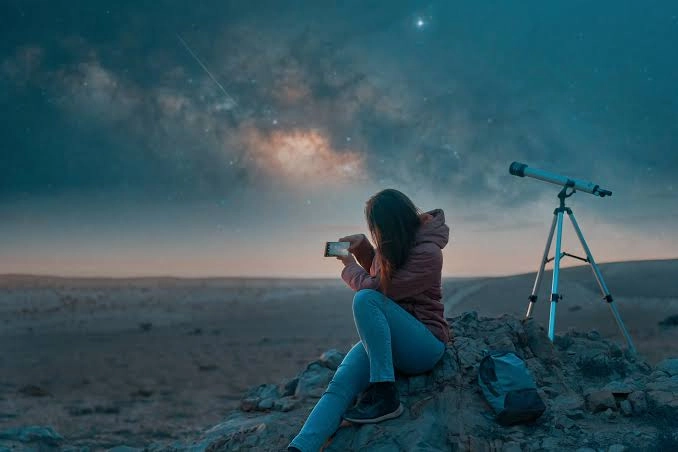
Stargazing in Egypt offers some of the darkest skies on Earth. This guide covers the best places to go stargazing in Egypt, from the White Desert to Wadi El-Hitan and Siwa Oasis, with practical tips for planning your Egypt stargazing trip.
The Night the Sky Opened: Why Stargazing in Egypt Is Unlike Anywhere Else
The first time you look up in the Egyptian desert at night, something shifts. The sky does not simply display stars. It pours them. The Milky Way stretches from horizon to horizon in a band of dust and light, and the silence around you is so complete that you can almost hear the cosmos breathing. This is not a metaphor. It is the experience that draws astronomers, photographers, and curious travelers to stargazing in Egypt year after year.
Egypt’s geography is uniquely suited to Egypt stargazing. The country receives almost no rainfall, humidity levels in the Western and Eastern Deserts are extremely low, and vast stretches of land have no artificial light for hundreds of kilometers. These conditions create what astronomers call “dark sky” environments—places where faint stars, nebulae, and even the Andromeda Galaxy become visible to the naked eye. The result is that stargazing in Egypt rivals destinations like the Atacama Desert in Chile and the Australian Outback. When travelers search for places to go stargazing in Egypt, they are searching for exactly this: silence, darkness, and a sky that feels infinite.
This guide explores 10 places to go stargazing in Egypt, from the chalk formations of the White Desert to the salt lakes of Siwa, the fossil beds of Wadi El-Hitan, and the sacred slopes of Mount Sinai. Each destination offers a different kind of Egypt stargazing experience, and together they form a complete map of Egypt’s astrotourism landscape.
1. White Desert National Park: The Most Famous Stargazing in Egypt
The White Desert is Egypt’s most famous destination for stargazing in Egypt, and for good reason. Located about four hours southwest of Cairo near the Bahariya Oasis, this national park is a plain of white chalk eroded into surreal formations—mushroom-shaped rocks, towers, and sphinx-like figures that glow pale under moonlight. By day, it looks like another planet. By night, it becomes the single best place to go stargazing in Egypt.
Why the White Desert Tops Every List of Places to Go Stargazing in Egypt
The White Desert sits far from any major city, which means light pollution is virtually nonexistent. On a clear night, the Milky Way is visible with the naked eye, and the sky’s darkness reveals stars that are invisible in urban environments. The flat terrain and wide horizons make it easy to observe objects low on the horizon, while the dry desert air keeps the atmosphere stable for telescope observation. This is why the White Desert consistently ranks first among places to go stargazing in Egypt.
Most travelers experience Egypt stargazing in the White Desert on a two-day camping trip departing from Cairo, which typically includes a stop at the Black Desert with its volcanic cones, a visit to Crystal Mountain, and an overnight camp in the White Desert itself. At night, guides prepare a traditional Egyptian dinner over an open fire, and the stargazing in Egypt begins. Telescopes are usually provided, and guides explain constellations, planets, and the mythology behind them.
What to Expect on a White Desert Egypt Stargazing Night
A typical White Desert stargazing in Egypt tour includes a 4x4 jeep ride through the desert, a Bedouin-style camp, dinner, and an astronomy session with a guide. You will see the Perseids in August or the Geminids in December if you time your Egypt stargazing visit to a meteor shower. The temperature drops sharply at night, even in summer, so warm layers are essential. The White Desert is accessible year-round, but the best months for stargazing in Egypt are October through April, when nights are cool, clear, and comfortable.
2. Wadi El-Hitan (Valley of the Whales): Where Egypt Stargazing Meets Fossils
Wadi El-Hitan, or the Valley of the Whales, is a UNESCO World Heritage Site in Fayoum governorate, about two hours southwest of Cairo. It is famous for its 40-million-year-old whale fossils, the remains of animals that transitioned from land to sea. But when the sun sets, the attention shifts from the ground to the sky. The site has become one of Egypt’s most promising destinations for stargazing in Egypt, drawing both local and international visitors.
The Rise of Astrotourism and Stargazing in Egypt at Wadi El-Hitan
In recent years, the Egyptian government has actively promoted astrotourism and stargazing in Egypt at Wadi El-Hitan. The site’s remote location, low humidity, and clear skies make it ideal for Egypt stargazing. Local guides like Mohammed Hassan lead stargazing in Egypt sessions using green lasers to point out planets, and large telescopes are set up for visitors to observe Saturn’s rings, Jupiter’s moons, and the craters of the Moon. The site’s UNESCO status adds a layer of cultural significance to the experience—you are not just looking at stars; you are standing on ground that documents a key chapter in the history of life on Earth, making this one of the most meaningful places to go stargazing in Egypt.
The Perseid Meteor Shower and Stargazing in Egypt
Wadi El-Hitan hosts one of Egypt’s largest annual stargazing in Egypt events during the Perseid meteor shower in mid-August. The 2026 event coincided with a new moon, creating exceptionally dark skies and meteor rates of 60 to 100 per hour. The Fayoum governor attended the event, underscoring the site’s growing role in Egypt’s eco-tourism strategy and its status as a premier destination for Egypt stargazing. Wadi El-Rayan Nature Reserve, nearby, offers additional stargazing in Egypt opportunities with lake views and desert landscapes.
3. Siwa Oasis: The Purest Egypt Stargazing Skies in the Western Desert
Siwa Oasis is Egypt’s most isolated inhabited oasis, located deep in the Western Desert near the Libyan border. Its remoteness is its greatest asset for stargazing in Egypt. With no major cities within hundreds of kilometers, Siwa offers some of the darkest skies in the country for Egypt stargazing. The Milky Way is visible with startling clarity here, and on moonless nights, the sky becomes a dense field of stars—one of the best places to go stargazing in Egypt.
Fatnas Island: Siwa’s Mirror to the Sky for Stargazing in Egypt
Fatnas Island, a small peninsula about 5 kilometers west of Siwa town, is the oasis’s most celebrated Egypt stargazing spot. The island sits on a salt lake whose surface mirrors the desert sky so perfectly that the stars appear both above and below you. Visitors drink mint tea in palm-frond huts and watch the Milky Way bleed into the saltwater reflection. The effect is surreal, and it makes Fatnas one of the most photogenic places to go stargazing in Egypt.
Mount Dakrour: The Darkest Skies for Egypt Stargazing
For an even darker Egypt stargazing experience, travelers head to Mount Dakrour, a rocky hill outside Siwa where Bedouin guides organize overnight camps. The skies here are described as the purest in Egypt for stargazing in Egypt, free from any trace of light pollution. A night on Mount Dakrour includes a traditional Bedouin dinner, tea, and a stargazing in Egypt session that often lasts until dawn. Siwa’s peak Egypt stargazing season runs from October to April, when desert nights are cool and clear.
4. Fayoum Oasis and Wadi El-Rayan: The Closest Stargazing in Egypt to Cairo
Fayoum Oasis, about 100 kilometers southwest of Cairo, is the most accessible destination for stargazing in Egypt for travelers based in the capital. The oasis combines desert, lake, and agricultural landscapes, and its proximity to Cairo makes it ideal for an overnight Egypt stargazing escape without a long journey. Wadi El-Rayan, a protected area within Fayoum, is the primary Egypt stargazing zone.
Magic Lake: Fayoum’s Hidden Gem Among Places to Go Stargazing in Egypt
Magic Lake, tucked inside Wadi El-Rayan Protected Area, is a small desert lake surrounded by sand dunes. It has become a favorite spot for stargazing in Egypt, particularly during the Perseid meteor shower in August. The lake’s surface reflects the sky, and the surrounding dunes block light from nearby villages. Visitors can camp overnight, and 4x4 vehicles allow access to even darker spots deeper in the desert—making Magic Lake one of the most convenient places to go stargazing in Egypt.
Planning a Fayoum Egypt Stargazing Trip
Fayoum Egypt stargazing trips typically depart from Cairo in the late afternoon, arrive at Wadi El-Rayan for sunset, and continue with dinner and stargazing in Egypt until late evening. The drive takes about two hours each way, making it possible to do as a day trip, though an overnight stay is recommended for a fuller Egypt stargazing experience. The best time of year for Fayoum stargazing in Egypt is October through April, but summer nights are also viable if you can tolerate the heat.
5. Black Desert and Bahariya Oasis: Volcanic Silence for Stargazing in Egypt
The Black Desert, located near the Bahariya Oasis, is named for its volcanic hills and dunes covered in dark basalt. The landscape is stark and otherworldly, and the darkness of the rock seems to absorb light, making the stars appear even brighter—an ideal setting for stargazing in Egypt. Most White Desert tours include a stop in the Black Desert, but the area is also an Egypt stargazing destination in its own right.
Bahariya Oasis, the gateway to both the Black and White Deserts, offers accommodation and guide services for travelers who want to explore the region independently. The oasis itself has hot springs and palm groves, and the surrounding desert provides excellent conditions for stargazing in Egypt. The best months for Egypt stargazing here are October through April, when temperatures are mild and skies are consistently clear.
6. Sinai Desert and Mount Sinai: Sacred Ground for Egypt Stargazing
The Sinai Peninsula offers a different kind of Egypt stargazing experience. The desert here is mountainous rather than flat, and the night sky is framed by rugged peaks. Mount Sinai (also called Mount Moses or Jabal Mousa) is the peninsula’s most famous stargazing in Egypt location, both for its biblical significance and for the quality of its night sky.
Stargazing in Egypt at St. Catherine and Mount Moses
Most travelers combine an Egypt stargazing overnight with a sunrise hike to the summit of Mount Sinai. The experience begins with a Bedouin dinner and stargazing in Egypt session at a camp near St. Catherine’s Monastery, followed by a pre-dawn ascent to the summit for sunrise. The night sky from the mountain slopes is exceptional, with minimal light pollution and a clear view of the Milky Way—one of the most spiritual places to go stargazing in Egypt. The hike to the summit takes about three hours, and the Egypt stargazing session usually includes a telescope and a guide who explains the constellations.
Sharm El Sheikh Desert Tours: Egypt Stargazing from the Red Sea
For travelers based on the Red Sea coast, Sharm El Sheikh offers desert Egypt stargazing tours that depart in the late afternoon and return around 10:00 PM. These Egypt stargazing tours include a jeep ride into the Sinai Desert, a visit to a Bedouin village, a candlelit BBQ dinner, and a stargazing in Egypt session with a professional astronomer using a GPS-directed Meade telescope. The tours are suitable for all ages and are a convenient way to experience Egypt stargazing without venturing far from the coast.
7. Hurghada’s Eastern Desert: Red Sea Stargazing in Egypt
Hurghada, on Egypt’s Red Sea coast, is better known for diving and beaches than for Egypt stargazing. But the Eastern Desert behind the city offers surprisingly good conditions for stargazing in Egypt. Several tour operators run Egypt stargazing trips from Hurghada that include a jeep ride into the desert, a Bedouin camp, dinner, and telescope observation. These Egypt stargazing trips are popular with families and travelers who want a break from the coast’s resort atmosphere.
The astronomy sessions are led by professional guides and typically last one to two hours. You will see planets, star clusters, and, on clear nights, the Andromeda Galaxy. The tour duration is about five hours, including hotel pickup and drop-off. The best season for Hurghada stargazing in Egypt is October through April, when desert nights are cool and skies are clearest.
8. Wadi El Gemal National Park: The Untouched South for Egypt Stargazing
Wadi El Gemal National Park, south of Marsa Alam on the Red Sea coast, is one of Egypt’s most pristine protected areas. The park encompasses desert, coastal, and marine ecosystems, and its inland desert areas offer exceptional dark skies for stargazing in Egypt. Because the region is far from major cities and has very little development, light pollution is minimal—making it one of the most untouched places to go stargazing in Egypt.
Stargazing in Egypt at Wadi El Gemal is typically arranged through eco-lodges and tour operators in Marsa Alam. The Egypt stargazing experience combines desert camping with astronomy, and the park’s isolation means you are likely to have the sky almost entirely to yourself. This is one of the least-visited Egypt stargazing destinations, which makes it ideal for travelers seeking solitude.
9. Gilf Kebir and the Great Sand Sea: The Deepest Dark for Stargazing in Egypt
For the most adventurous travelers, the Gilf Kebir plateau and the Great Sand Sea in Egypt’s far southwest offer the darkest skies in the country for stargazing in Egypt. This region is one of the most remote places on Earth, with no permanent settlements, no roads, and no light pollution of any kind. Reaching it requires a multi-day expedition with a licensed desert guide, a 4x4 convoy, and extensive preparation—but it delivers the purest Egypt stargazing imaginable.
The reward is a night sky of unparalleled clarity. The Milky Way casts shadows, and the zodiacal light—a faint glow caused by sunlight scattering off interplanetary dust—is visible to the naked eye. Stargazing in Egypt here is not a casual activity; it is an expedition. But for travelers who want to experience the cosmos in its purest form, the Gilf Kebir and the Great Sand Sea are the ultimate places to go stargazing in Egypt.
10. Dakhla Oasis: The Forgotten Destination for Stargazing in Egypt
Dakhla Oasis, one of Egypt’s Western Desert oases, is often overshadowed by Siwa and Bahariya. But its remote location and low population density make it an excellent destination for stargazing in Egypt. The oasis has hot springs, medieval mud-brick villages, and a peaceful atmosphere that lends itself to quiet nights under the stars—a hidden gem among places to go stargazing in Egypt.
Accommodation in Dakhla includes eco-lodges and simple guesthouses, and local guides can arrange desert trips for Egypt stargazing. The best season for Dakhla stargazing in Egypt is October through April. Because Dakhla receives few international tourists, you are likely to have the night sky entirely to yourself, making it one of the most private Egypt stargazing experiences available.
Best Time of Year for Stargazing in Egypt
The best time for stargazing in Egypt is October through April, when desert nights are cool, skies are clear, and humidity is low. Within this window, the ideal nights for Egypt stargazing are those closest to the new moon, when the sky is darkest. The two major meteor showers—the Perseids in mid-August and the Geminids in mid-December—are worth planning around for stargazing in Egypt, though August requires tolerance for summer heat.
A British astrophotographer who has photographed Egypt’s deserts recommends March, April, and October as the most stable months for night sky photography, citing ideal weather and terrain conditions for stargazing in Egypt. For general Egypt stargazing, any clear night from October to April will deliver an unforgettable experience.
Summary: Stargazing in Egypt
Stargazing in Egypt is not a niche activity. It is one of the country’s most underrated travel experiences, and the 10 destinations in this guide cover every level of adventure—from easy overnight trips near Cairo to full-scale desert expeditions. The White Desert, Wadi El-Hitan, Siwa Oasis, and Fayoum are the most accessible and popular choices for stargazing in Egypt, while the Gilf Kebir and Dakhla Oasis reward those willing to travel further. No matter where you choose, these are among the best places to go stargazing in Egypt.
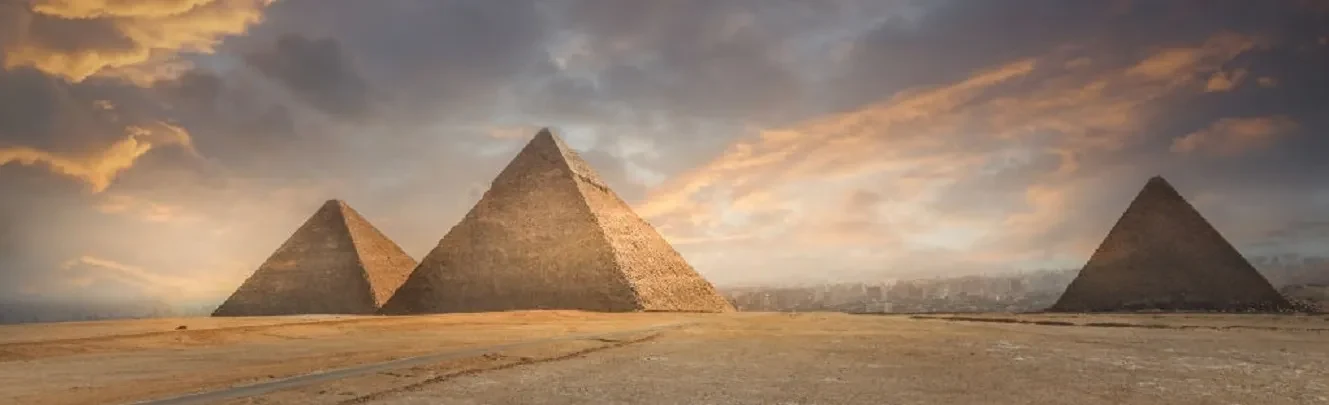
For travelers ready to experience Egypt stargazing, Bastet Travel offers Egypt Desert Safari Tours that include stargazing in Egypt, camping, and expert astronomy guides. Whether you want to combine stargazing in Egypt with a White Desert adventure, a Siwa Oasis retreat, or a Bahariya Oasis expedition, the right operator makes all the difference. A Plan Tailor-Made Egypt Trip can incorporate Egypt stargazing into a broader itinerary that includes the Pyramids of Giza, a Nile Cruise, and the Red Sea coast.
Reach out via WhatsApp to begin planning, or explore Egypt Tour Packages that include desert nights under the stars. For travelers visiting during the holiday season, Christmas and New Year Egypt Tour Packages offer a chance to combine festive celebrations with winter Egypt stargazing. No matter which destination you choose, stargazing in Egypt will change the way you see the night sky.
Stargazing in Egypt: Frequently Asked Questions
What is the best time of year for stargazing in Egypt?
October through April offers the best conditions for stargazing in Egypt, with cool nights, clear skies, and low humidity. Within this window, aim for nights near the new moon for the darkest sky. The Perseid meteor shower in mid-August and the Geminids in mid-December are also excellent for Egypt stargazing if you can handle summer or winter temperatures.
Where is the best place to go stargazing in Egypt?
The White Desert is the most popular and accessible destination for stargazing in Egypt, offering camping, telescopes, and guided astronomy sessions. Wadi El-Hitan in Fayoum is the closest dark sky to Cairo for Egypt stargazing. Siwa Oasis offers the purest skies in Egypt, and the Gilf Kebir region offers the darkest skies in the country for expedition travelers seeking the best places to go stargazing in Egypt.
Can I see the Milky Way in Egypt?
Yes. In the White Desert, Siwa Oasis, Wadi El-Hitan, and other remote desert locations, the Milky Way is visible with the naked eye during stargazing in Egypt. On moonless nights, it stretches from horizon to horizon and casts a faint shadow.
Do I need a telescope for stargazing in Egypt?
No. Many Egypt stargazing tours provide telescopes and professional guides. For meteor showers, the naked eye is actually better than a telescope because meteors appear across a wide area of the sky. If you want to observe planets or deep-sky objects during your stargazing in Egypt trip, a telescope enhances the experience.
Is stargazing in Egypt safe?
Yes. Egypt stargazing tours in the White Desert, Fayoum, Siwa, and Sinai operate regularly with licensed guides and government permits. Desert expeditions to remote areas like the Gilf Kebir require experienced operators, but the standard destinations for stargazing in Egypt are well-established and safe for tourists.
What should I bring for a stargazing in Egypt trip?
Warm layers (desert nights are cold even in summer), a red-light flashlight to preserve night vision, a camera with a tripod for astrophotography, comfortable shoes, and enough water. Most Egypt stargazing tours provide dinner and telescopes.
Can I combine stargazing in Egypt with other Egypt tours?
Absolutely. Egypt stargazing can be added to any itinerary that includes Cairo, Luxor, Aswan, or the Red Sea. A Plan Tailor-Made Egypt Trip is the easiest way to integrate desert nights into a broader tour, and Egypt Desert Safari Tours are specifically designed for travelers who want to combine adventure with stargazing in Egypt.
.webp)
Guest comments