
 English
 Español
 Português
 Deutsch
 Français
 Italiano
 Русский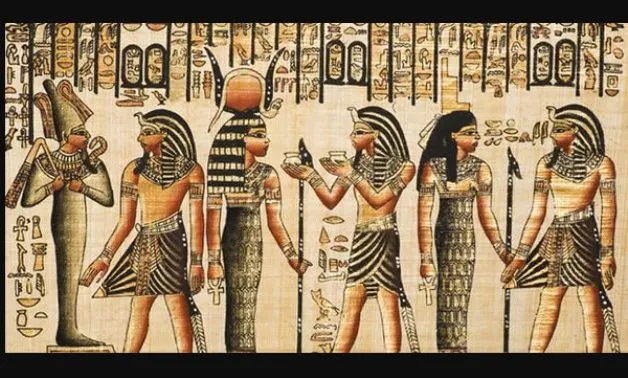
The new year in ancient Egypt wasn't January 1. It began when the star Sirius appeared and the Nile flooded. Explore the ancient Egypt new year festival of Wepet Renpet—a celebration of rebirth, gifts, and divine rituals.
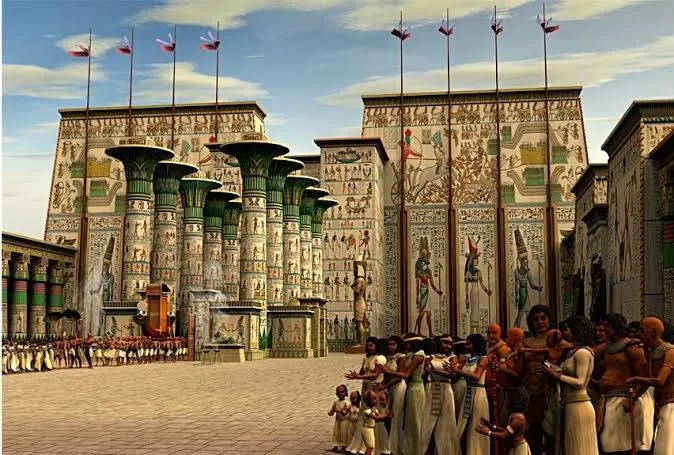
New Year in Ancient Egypt | Unveiling the Ancient Egypt New Year Festival
Imagine ringing in the New Year not in the dead of winter, but in the middle of summer. Imagine your celebration tied not to a calendar date, but to the appearance of a single star in the pre-dawn sky. Imagine the entire nation pausing not for fireworks and champagne, but for the rising of the Nile.
This wasn't imagination. This was the new year in ancient Egypt.
For over three thousand years, the Egyptians celebrated their New Year not on January 1, but when the star Sirius—known to them as Sopdet—reappeared on the eastern horizon just before sunrise. This astronomical event, called the heliacal rising of Sirius, usually occurred in mid-July. And it coincided with something far more important than a calendar change: the annual flooding of the Nile. Understanding this is the first step to understanding the true ancient Egypt new year.
The ancient Egyptian New Year was called Wepet Renpet, which translates to "the opening of the year". It was a festival of rebirth, renewal, and hope. And some of its traditions—like giving gifts to friends and family—might feel surprisingly familiar. This festival was the highlight of the new year in ancient Egypt, a moment when the cosmos, the land, and the people were all renewed.
Let's travel back in time and explore how the ancient Egypt new year was born, celebrated, and remembered. From the rising of Sirius to the flooding of the Nile, the new year in ancient Egypt was a spectacle of cosmic proportions.
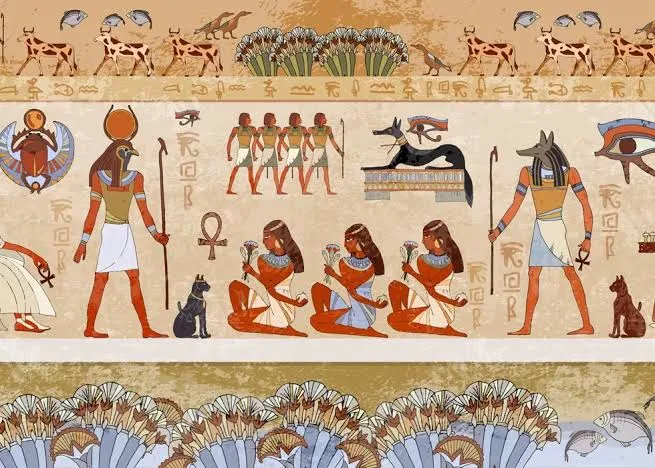
When Was the New Year in Ancient Egypt? Tracking the Ancient Egypt New Year
Here's the first thing you need to understand about the new year in ancient Egypt: it wasn't fixed. The ancient Egypt new year date wandered across the seasons like a slow-moving celestial traveller.
Unlike our modern New Year, which stays stubbornly on January 1 every year, the new year in ancient Egypt drifted. It took 1,460 years to complete a full cycle through the calendar. The ancient Egypt new year was fundamentally tied to the stars, not a fixed date on a page.
Why? Because the Egyptians had two calendars running simultaneously. And neither of them lined up perfectly with the actual solar year. This made tracking the new year in ancient Egypt a constant astronomical exercise.
The Heliacal Rising of Sirius – Triggering the New Year in Ancient Egypt
The new year in ancient Egypt was fundamentally an astronomical event. It began when the star Sirius—the brightest star in the night sky—reappeared after a 70-day absence beneath the horizon. This celestial event was the primary trigger for the ancient Egypt new year celebrations.
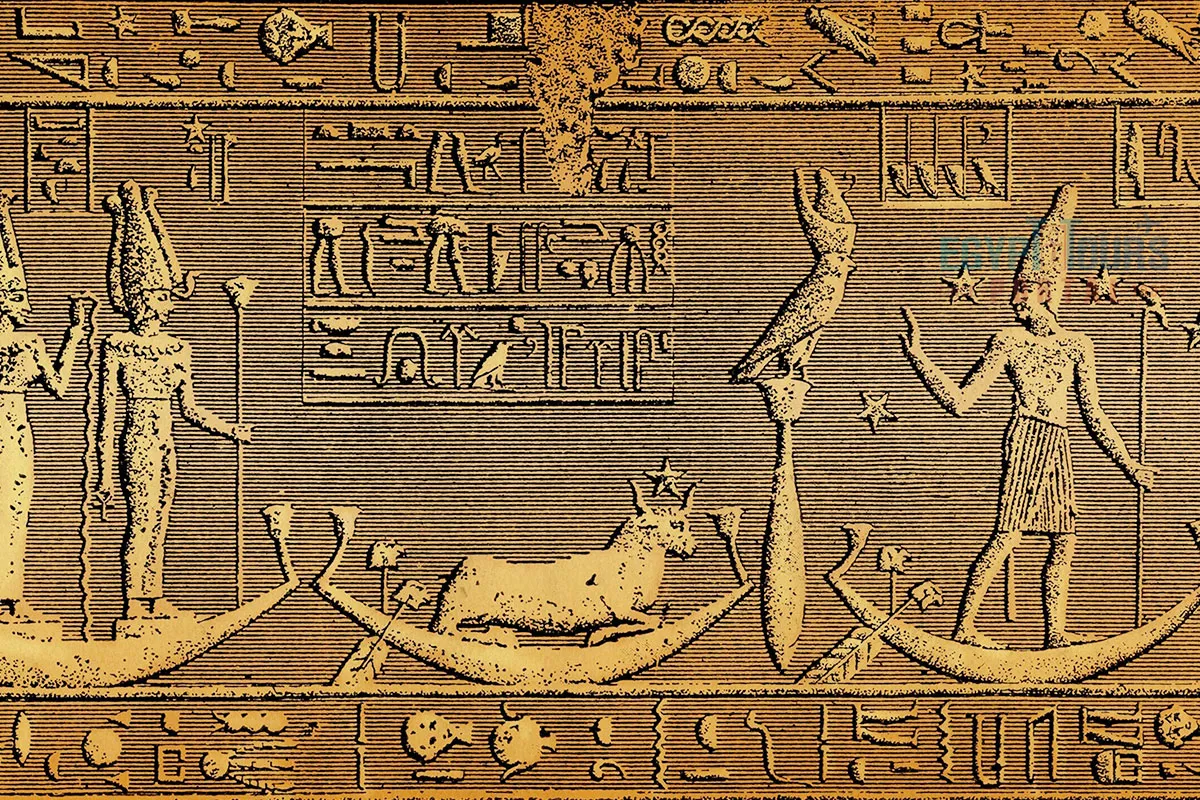
The Egyptians called this star Sopdet, and they associated it with the goddess of the same name. An ancient text from around 2500 B.C. reads: "It is Sopdet, your daughter whom you love, in this her name as Year". A later inscription from the New Kingdom mentions the rising of Isis-Sopdet on the morning of New Year's Day. And at the temple of Dendera, a much later text says specifically that the years are "reckoned from her shining forth". For the new year in ancient Egypt, this was the divine signal that the cosmic cycle was beginning anew.
This wasn't just astronomy. This was theology. The star's reappearance was a divine signal—a message from the gods that the ancient Egypt new year had arrived.
The Nile Flood – The Reason the Ancient Egypt New Year Was Vital
The heliacal rising of Sirius wasn't celebrated in isolation. It happened at roughly the same time as the annual flooding of the Nile. This is what made the new year in ancient Egypt so vital to the people's survival.
This flood was the most important event in the Egyptian year. Without it, there would be no crops. Without crops, there would be no food. Without food, there would be no civilisation. The flood brought life-giving water and fertile silt from the highlands of Ethiopia, transforming the arid riverbanks into productive farmland. The ancient Egypt new year was therefore a celebration of life itself.
So the new year in ancient Egypt wasn't just about marking time. It was about survival. It was about fertility. It was about the rebirth of the land itself.
The Wandering Calendar – Why the Ancient Egypt New Year Never Stayed Put
The Egyptians developed a remarkably sophisticated civil calendar: 365 days divided into 12 months of 30 days each, plus five extra days (called epagomenal days) at the end of the year. This calendar was one of the first in history to use a 365-day year. But it presented a major challenge for tracking the new year in ancient Egypt.
But there was a problem. The actual solar year is 365.25 days long. The Egyptian civil calendar didn't account for the extra quarter-day. No leap year. No correction. As a result, the new year in ancient Egypt slipped every year.
So every year, the calendar slipped by about a quarter of a day. Over time, this slippage added up. When the calendar was first created around 4,800 years ago, Wepet Renpet fell close to the summer solstice around June 21. By the start of the Middle Kingdom (around 2030–1640 B.C.), it had drifted to the winter solstice in December. This meant that the ancient Egypt new year could fall in any season over the centuries.
It took 1,460 years for the calendar to complete a full cycle and return to its starting point. This cycle, known as the Sothic cycle, meant that the new year in ancient Egypt was, quite literally, a moving target.
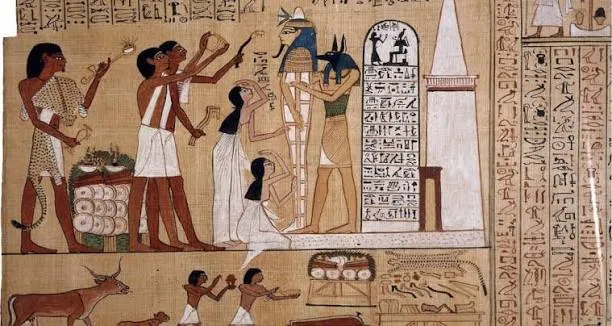
Wepet Renpet – The Heart of the New Year in Ancient Egypt
The festival itself was called Wepet Renpet—"the opening of the year". In some texts, it was also known as Heb mesiu Re or the birthday of the sun god Re. This was the beating heart of the new year in ancient Egypt.
But Wepet Renpet wasn't just a single day. It was a transitional period. In the Egyptian calendar, an interval was observed between the last day of the year and the festival of the New Year—a liminal space between the old and the new. This transition was sacred to the ancient Egypt new year traditions.
The festival celebrated several interconnected ideas: the death and rebirth of Osiris, the rejuvenation of the land, the rebirth of the people, and the renewal of the cosmic order. It wasn't just about time passing. It was about cosmic renewal—the reaffirmation of ma'at, the divine order that kept the universe running. The new year in ancient Egypt was, at its core, a cosmic reset button.
And remarkably, the Egyptians sometimes celebrated multiple Wepet Renpet festivals in a single year. At the Temple of Khnum in Esna, a calendar inscribed on a wall records three separate New Year festivals within one year: one on the first day of the calendar year, one on the birthday of the Roman emperor, and one when Sirius rose. This flexibility shows just how central the ancient Egypt new year was to their spiritual life.
How the Ancient Egyptians Celebrated the New Year in Ancient Egypt
The new year in ancient Egypt was a major event. Temples filled with crowds. Homes were decorated. Music echoed through the streets. And the celebrations lasted for days. Every aspect of the ancient Egypt new year was designed to bring joy and renewal.
New Clothes and Jewellery for the Ancient Egypt New Year
One of the first things Egyptians did to mark the new year in ancient Egypt was put on new clothes and jewellery. This wasn't just vanity. It was symbolic. New clothes represented a fresh start—a shedding of the old year and an embrace of the new. Dressing in new finery was a key ritual of the ancient Egypt new year.
They also decorated their homes with festive ornaments and paid visits to friends and relatives. They greeted each other with a phrase that sounds almost modern: "A Green Year". Green was the colour of crops, of growth, of life. It was a wish for a bountiful and fruitful year ahead. This greeting perfectly encapsulated the hopes tied to the new year in ancient Egypt.
Feasting, Music, and Incense for the New Year in Ancient Egypt
No Egyptian celebration was complete without food, and the new year in ancient Egypt was no exception. The feast included cakes, pies, ducks, geese, fish, vegetables, and fruits—all prepared with honey, spices, and herbs. Cakes and pies were often shaped like animals or plants. The culinary delights of the ancient Egypt new year were legendary.
Music was everywhere. Harps, flutes, drums, and cymbals filled the air. Incense made of frankincense and myrrh burned in temples and homes. The sounds and smells of the new year in ancient Egypt must have been intoxicating.
And in front of the temples, animals were sacrificed—oxen, sheep, or goats. The meat was shared with the poor, ensuring that everyone could participate in the feast. Remarkably, the meat was inspected by a veterinarian before being offered, to ensure it was healthy and clean. This ensured the ancient Egypt new year was inclusive and safe.
The Gift of the New Year Flask – A Unique Ancient Egypt New Year Tradition
One of the most distinctive traditions of the new year in ancient Egypt was the exchange of gifts—specifically, the New Year flask. This unique custom set the ancient Egypt new year apart from other ancient celebrations.
These flasks were small, lentoid-shaped vessels, typically made of faience (a glazed ceramic material). They were often decorated with floral garlands, geometric designs, and inscriptions invoking the gods to grant the owner life, health, and happiness. Many featured two baboons, sacred to the calendar god Thoth. These flasks are a tangible archaeological link to the new year in ancient Egypt.
What was inside? Scholars believe the flasks contained perfumes, oils, or water from the Nile, bottled on the occasion of the New Year for ritual purposes. The flasks were given as gifts to convey blessings for the year ahead, making them the "Christmas presents" of the ancient Egypt new year.
The Ritual of the Divine Sunbath for the New Year in Ancient Egypt
This was one of the most fascinating rituals of the new year in ancient Egypt. It directly connected the ancient Egypt new year to the solar cycle.
On New Year's Day, statues of the deities were brought out of the temples and placed on the roof or in an open kiosk. There, they were exposed to the morning sunlight. This ritual was called "union with the sun disc". It was a highlight of the new year in ancient Egypt.
Why? Because the statues needed to be regenerated. The sunlight, in Egyptian belief, had the power to renew the divine essence of the gods. By exposing the statues to the sun's rays, the Egyptians believed they were revitalising the deities themselves. This ritual was a microcosm of the entire new year in ancient Egypt philosophy.
At the temple of Dendera, this ritual involved the statue of the goddess Hathor. The interaction of Sirius with the rising sun was reflected in this ceremony—a daughter (Hathor) meeting her father (Re) in a cosmic reunion that renewed the year's cycle. This celestial drama was the essence of the new year in ancient Egypt.
Dolls, Dancing, and Divine Drunkenness at the Ancient Egypt New Year
Children received special gifts during the new year in ancient Egypt: dolls made of clay, wood, or cloth, decorated with beads, feathers, or paint. These dolls represented Hathor, the goddess of joy, music, and fertility. These playful gifts were a beloved part of the ancient Egypt new year for families.
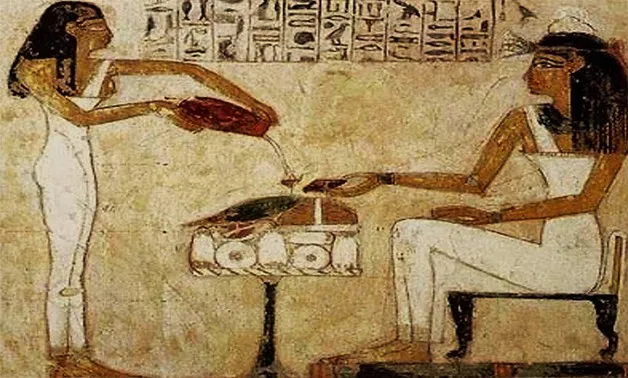
And then there was the drinking. The new year in ancient Egypt was associated with the legend of Sekhmet, the goddess of war who planned to destroy all mankind. The gods deceived her by colouring beer red to look like blood. Sekhmet drank it, became drunk, and abandoned her murderous plan. This myth justified the revelry of the ancient Egypt new year.
To honour this salvation, the Egyptians celebrated with music, clamour—and plenty of beer. Hathor's priestesses, in particular, were known for wild celebrations involving beer drinking. It was a rowdy, joyful way to welcome the new year in ancient Egypt.
Where Did the Ancient Egypt New Year Take Place?
The new year in ancient Egypt was celebrated across the entire country, but certain locations held special significance. The ancient Egypt new year was a nationwide affair, but the temples were its focal point.
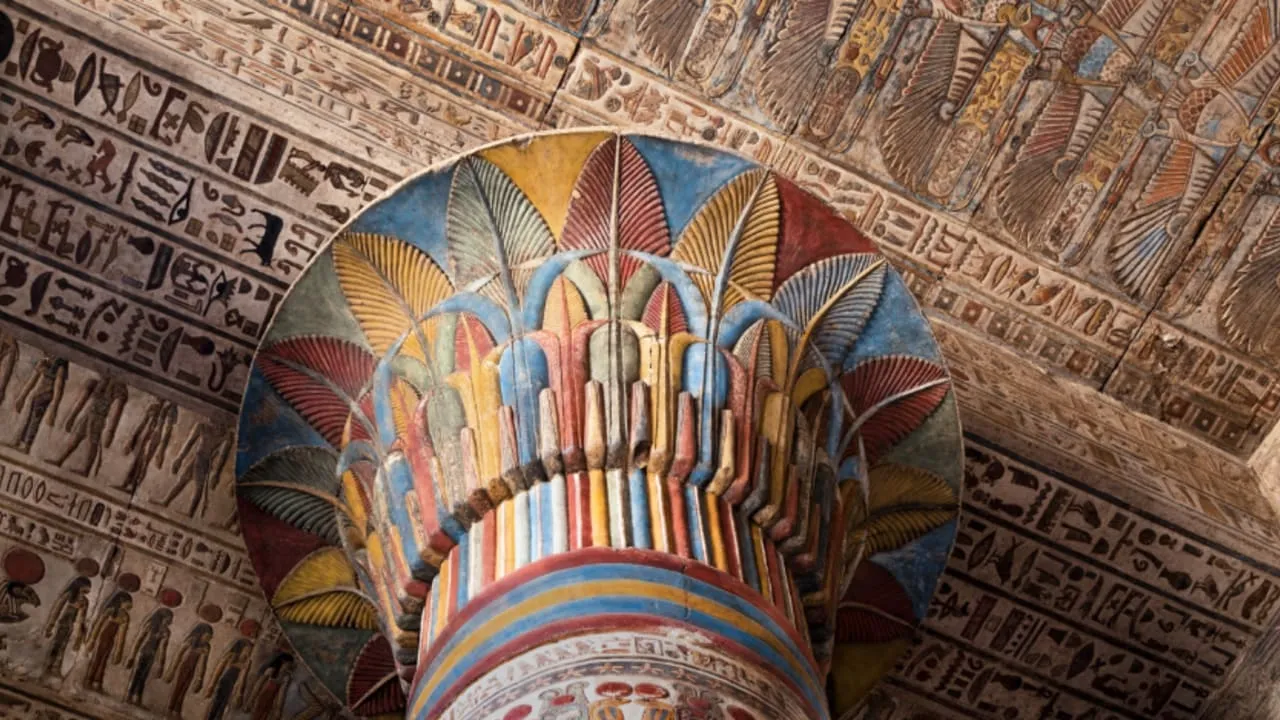
Temples were the epicentre of the festivities. The Temple of Mut in Thebes hosted a huge festival during the first month of the year, particularly during the reign of Hatshepsut. The Temple of Dendera was the site of the famous sunrise ritual with Hathor's statue. The Temple of Khnum in Esna had a calendar inscribed on its wall recording multiple New Year festivals. These were the sacred stages for the new year in ancient Egypt.
But the most iconic locations were the Pyramids of Giza and Sakkara. Texts from temples at Giza and Saqqara named Wepet Renpet as an important festival, and celebrations took place near these monumental structures. Imagine celebrating the new year in ancient Egypt in the shadow of the Great Pyramid—a tradition that connected the living with their ancestors and the gods.
Other significant sites included the Karnak Temple in Luxor, the Luxor Temple, and the Abu Simbel Temple in the south. The Valley of The Kings and the Hatshepsut Temple also played roles in the religious calendar of the ancient Egypt new year.
Why the New Year in Ancient Egypt Was a Cosmic Reset
The new year in ancient Egypt was more than a party. It was a theological statement. The ancient Egypt new year reaffirmed the very structure of Egyptian society.
It reaffirmed the king's divine right to rule. The king's Year 1 was counted from his coronation to New Year's Day, and his Year 2 began with the New Year. The new year in ancient Egypt festival reinforced the connection between the pharaoh, the gods, and the cosmic order. Without the ancient Egypt new year, the king's divine authority would be questioned.
It also reinforced social bonds. The exchange of gifts, the sharing of meat with the poor, the visits to friends and family—all of these practices strengthened the fabric of Egyptian society. The new year in ancient Egypt was a great equalizer.
And it reminded the Egyptians of their dependence on the Nile. The flood was the foundation of their civilisation. The new year in ancient Egypt was the moment when that foundation was reaffirmed. Without the flood, there was no Egypt. Without the ancient Egypt new year, there was no flood.
Today, the Coptic calendar—which descends directly from the ancient Egyptian calendar—still begins its year on 1 Tout, which falls around 11 September. The legacy of the new year in ancient Egypt lives on in the calendar of Egypt's Christian community. The spirit of the ancient Egypt new year endures.
Frequently Asked Questions About the New Year in Ancient Egypt
1. When exactly was the new year in ancient Egypt celebrated?
The new year in ancient Egypt was celebrated when the star Sirius (Sopdet) reappeared on the eastern horizon just before dawn—an event called the heliacal rising. This usually occurred in mid-July and coincided with the annual flooding of the Nile, making the ancient Egypt new year a mid-summer event.
2. What was the ancient Egypt new year festival called?
The ancient Egypt new year festival was called Wepet Renpet, which means "the opening of the year". It was also known in some texts as Heb mesiu Re or the birthday of the sun god Re. This name captures the essence of the new year in ancient Egypt.
3. Did the ancient Egypt new year always fall on the same date?
No. The Egyptian civil calendar didn't have a leap year, so the new year in ancient Egypt slipped by about a quarter of a day every year. Over time, the ancient Egypt new year wandered through all the seasons, completing a full cycle every 1,460 years.
4. How did ancient Egyptians celebrate the new year in ancient Egypt?
They celebrated the new year in ancient Egypt by wearing new clothes, decorating their homes, visiting friends and family, exchanging gifts (including special New Year flasks), feasting on meat and cakes, playing music, burning incense, and performing rituals in temples—including exposing statues of the gods to sunlight.
5. What was the significance of Sirius for the ancient Egypt new year?
Sirius (Sopdet) was the celestial signal for the ancient Egypt new year. Its reappearance after 70 days of invisibility marked the beginning of the year and coincided with the Nile flood. The Egyptians believed the years were "reckoned from her shining forth", making her the divine clock for the new year in ancient Egypt.
6. Why was the Nile flood important to the new year in ancient Egypt?
The flood brought water and fertile silt to the farmland, making agriculture possible. Without the flood, there was no food. The new year in ancient Egypt was therefore a celebration of survival, fertility, and rebirth. It was the lifeblood of the ancient Egypt new year.
7. Did ancient Egyptians give gifts during the new year?
Yes. They exchanged gifts during the new year in ancient Egypt, including special New Year flasks that contained perfumes, oils, or Nile water. Children received dolls representing Hathor, the goddess of joy and fertility. They also greeted each other with the phrase "A Green Year"—a wish for a bountiful harvest tied to the ancient Egypt new year.
Experience Egypt's Timeless Magic This New Year
The new year in ancient Egypt was a celebration of cosmic renewal—a moment when the heavens, the river, and the land all aligned to announce a fresh beginning. The ancient Egypt new year was more than a festival; it was the heartbeat of a civilisation.
Today, when you visit Egypt during the modern New Year, you're walking in the footsteps of a civilisation that understood the rhythm of the stars and the power of the Nile. The temples where they celebrated Wepet Renpet still stand. The Pyramids of Giza still catch the same morning light that once illuminated the statues of the gods. The Philae Temple still rises from the waters that the Egyptians revered. You can stand where the new year in ancient Egypt was once proclaimed.
And you can be there.
Whether you're exploring the Karnak Temple at sunrise, cruising the Nile on a Christmas Nile cruise or a new year nile cruise, or standing at the Abu Simbel Temple as the sun performs its ancient ritual—you're participating in a tradition that stretches back thousands of years. It's a direct connection to the ancient Egypt new year celebrations of old.
Bastet Travel specialises in bringing the magic of ancient Egypt to modern travellers. Our Christmas and New Year Egypt Tour Packages let you experience the country at its most vibrant. And if you want to see the Abu Simbel Sun Festival—when the sun illuminates the inner sanctuary of Ramesses II's temple, an event echoing the celestial precision of the new year in ancient Egypt—we can make that happen too.
Ready to write your own chapter in Egypt's eternal story? Reach out to us on WhatsApp. Or use our Plan Tailor-Made Egypt Trip tool to design a journey that follows the stars—just like the ancient Egyptians did during the ancient Egypt new year.

Guest comments