
 English
 Español
 Português
 Deutsch
 Français
 Italiano
 Русский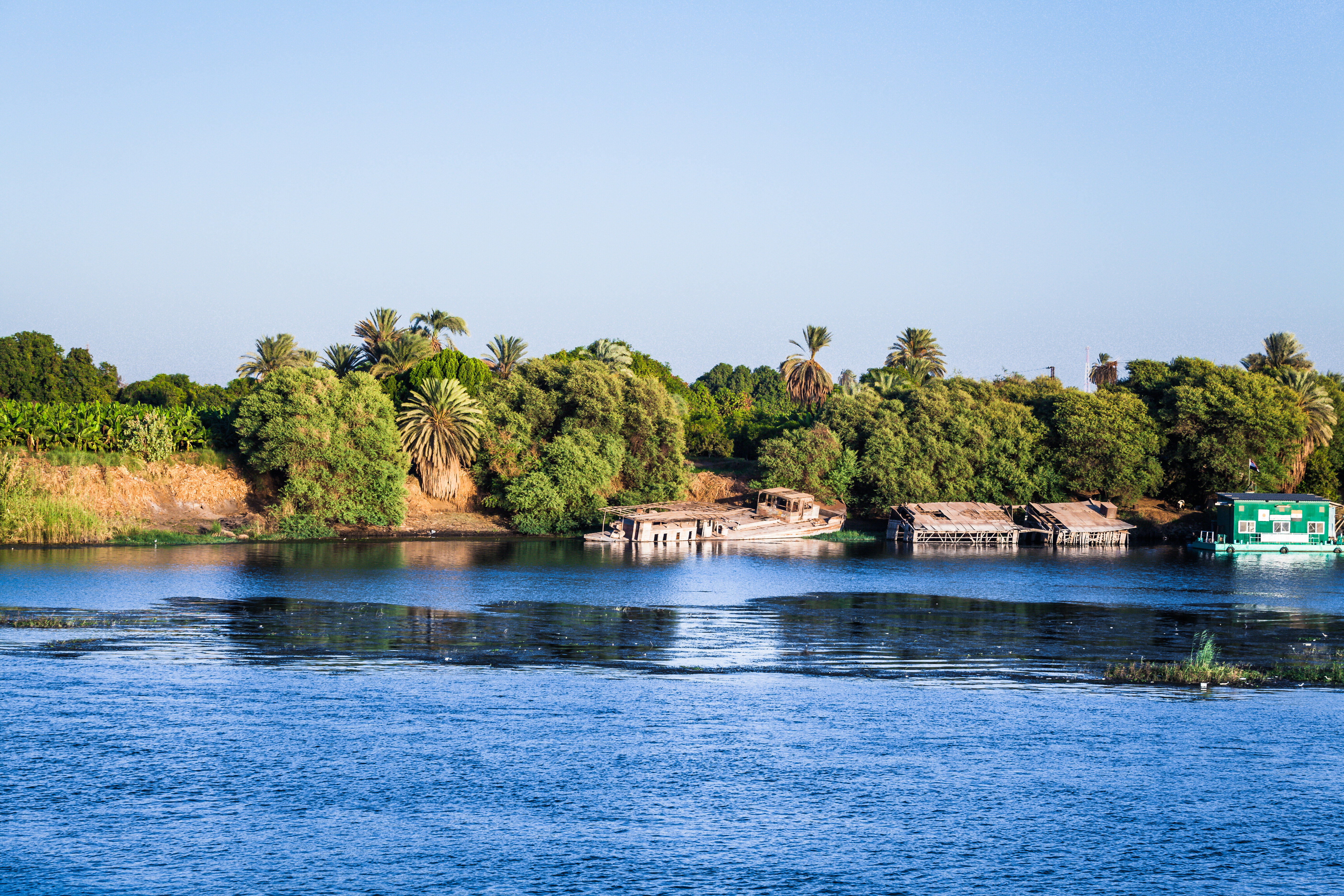
The Egyptian civilization was born and flourished along the Nile River – facts, location, map, animals and cities within the fertile valley. As Herodotus famously noted, Egypt is the “gift of the Nile.” Without this life-giving artery, the nation would have remained a barren wasteland, and the great pharaohs would never have achieved the splendor that made them a global power. For those seeking the ultimate journey, our Egypt tour packages provide a gateway to understanding the majestic and enigmatic nature of the Nile River – facts, location, map, animals and cities.
Geographic Mastery: Nile River – facts, location, map, animals and cities
The Nile River – facts, location, map, animals and cities serves as the largest watercourse in Africa and ranks among the longest in the world. It flows through the territories of ten countries—including Uganda, Ethiopia, and Sudan—before reaching the Mediterranean. Crucially, the Nile River – facts, location, map, animals and cities drains about 10% of the African continent, spanning 3,349,000 square kilometers. Its flow moves in a south-north direction, culminating in the fertile Delta where the iconic Alexandria Tours take place.
The Diverse Systems of the Nile River – facts, location, map, animals and cities
The Nile River – facts, location, map, animals and cities is composed of several distinct systems. The Blue Nile, originating in Ethiopia’s Lake Tana, provides 90% of the water and 96% of the sediment. In contrast, the White Nile originates from Lake Victoria and is known for its whitish clay. These two branches converge in Khartoum to form the "Middle Nile," an area that traverses arid plateaus and six waterfalls before reaching Egypt. This section of the Nile River – facts, location, map, animals and cities is where the yellow desert sands meet the deep blue water and lush green palms of the riverbanks.
Biodiversity and Wildlife: Nile River – facts, location, map, animals and cities
Ancient Egyptians shared their environment with diverse creatures, making the Nile River – facts, location, map, animals and cities a hub of biological and religious symbolism. Fierce lions and wild bulls roamed the deserts, while the river itself was home to hippopotamuses and crocodiles. In the mythology of the Nile River – facts, location, map, animals and cities, the crocodile represented the god Sobek, while the hippopotamus was associated with the god Set. Even today, the fauna of the Nile River – facts, location, map, animals and cities remains an essential part of the valley’s ecological identity.
Iconic Urban Hubs: Nile River – facts, location, map, animals and cities
Almost all Egyptian civilization is concentrated along the Nile River – facts, location, map, animals and cities. From the historic capital of Cairo to the ancient ruins of Memphis, the river acts as a thread connecting these urban centers. Further south, Luxor Tours reveal the glory of ancient Thebes, while Aswan Tours offer a look at the Great Dam and magnificent temples. Each of these locations in the Nile River – facts, location, map, animals and cities tells a unique story of persistence, from the pharaonic era to the modern age.
Luxury and Leisure: Nile River – facts, location, map, animals and cities
Today, the Nile River – facts, location, map, animals and cities offers a multitude of activities for the modern traveler. From sailing with a traditional Felucca to kayaking and surfing, the water remains a source of recreation. However, the most sophisticated way to experience the secrets of the valley is via a luxury Nile Cruise. These cruises allow you to witness the festivals and traditions, such as the Wafaa Al Nil, that have been celebrated since ancient times. To begin your journey through the Nile River – facts, location, map, animals and cities, Inquire now via WhatsApp -> http://wa.me/+201550191399
Guest comments