
 English
 Español
 Português
 Deutsch
 Français
 Italiano
 Русский
 中文
 한국어
 日本語
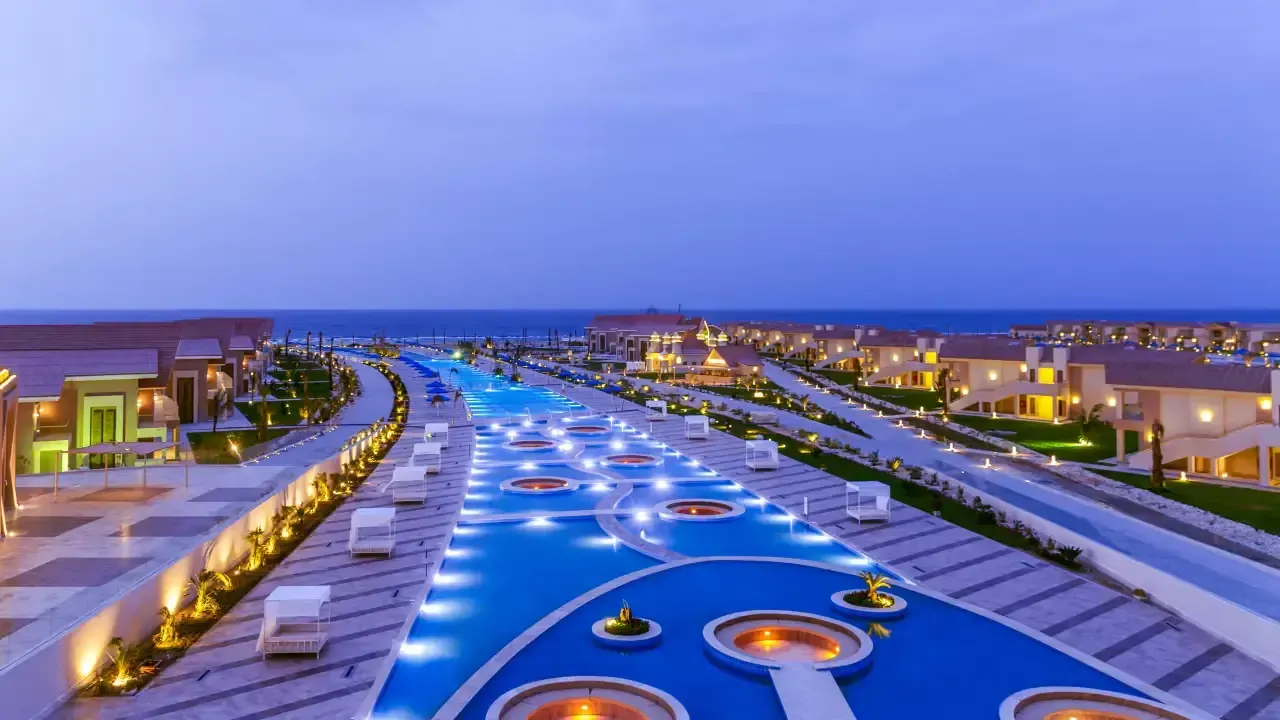
Marsa Alam weather in September is hot and dry with a very warm sea and quiet resorts. This guide to September weather in Marsa Alam is written like a dive logbook so you can read the conditions entry by entry.
Marsa Alam Weather in September 2027 & Warm Water, Quiet Reefs and Hot Afternoons
Divers keep logbooks. Each entry records the date and the site and the conditions. Over time the pages tell a story that no brochure can match. This guide borrows that format. Each section is an entry that covers one condition you will meet in Marsa Alam in September and what it means for your plan.
Marsa Alam sits on the southern Red Sea coast and it is built around the reef. Hotels are spread along the shore and the sea is the main attraction. That makes marsa alam weather in september less about sightseeing and more about water and surface and light.

Marsa Alam Weather in September: The Logbook Header
| Field | Typical September entry |
| Air by day | About 35°C |
| Air by night | About 25°C |
| Sea temperature | About 28 to 29°C |
| Wind | Moderate |
| Sun | About 11 to 12 hours a day |
| Rain | Essentially none |
Sources differ by a degree or two so treat the numbers as a range. The month starts close to August and ends slightly softer. For the wider picture of the month across the country see Egypt September holidays and things to do in Egypt in September. For the resort region as a whole browse Red Sea holidays Egypt.
Entry One: The Air
- Marsa Alam is hot in September. Afternoons sit near 35°C and the air is dry. Nights stay warm at around 25°C. The coast is a little hotter than the northern resorts and the desert behind it holds heat.
- The heat is manageable if you treat the day in two halves. Mornings are for the water and the beach. Early afternoon is for shade and rest. The hours after four are good again for activity. Visitors who follow this rhythm find that marsa alam weather in september suits a reef holiday well.
- The air is not humid like a tropical coast. Sweat dries quickly so you may not feel how much water you lose. Drink steadily through the day.

Entry Two: The Water
The sea is the reason to come and in September it is at its best.
Surface Conditions
- At about 28 to 29°C the water feels like a warm bath. Most people swim for long periods without feeling cold. Children stay in for hours. A rash vest is enough for sun protection and for light chill on long sessions. A wetsuit is not needed for swimming. See the swimming page for organised options.
Underwater Conditions
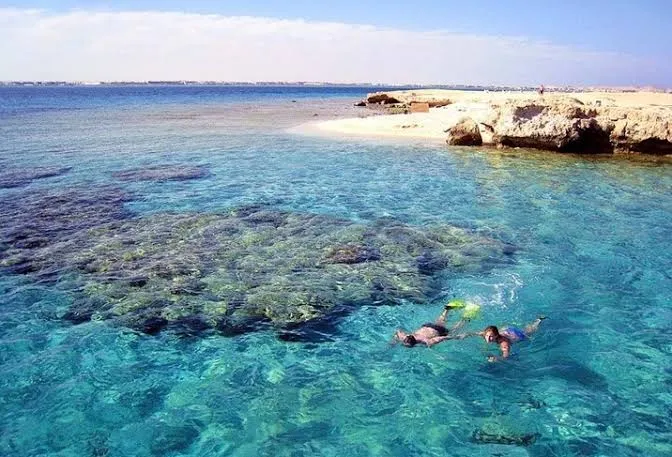
- Warm water and long daylight give divers and snorkelers comfortable sessions. Visibility is usually good although it varies with wind and current. A shorty wetsuit is plenty for most dives. A diving outing in the morning gives the calmest water.
- If you are planning a dive trip see diving holidays Egypt for packages. Snorkelers do not need certification. A morning boat to a house reef or an offshore site gives coral gardens and schools of small fish.
Entry Three: The Wind and the Surface
- The wind in September is moderate and steady. Mornings tend to be calmer and afternoons bring more chop. That affects boats first. If you get seasick choose the earliest departure and take a tablet.
- A quick check helps. Look at the water at breakfast. A flat surface means a smooth morning. White caps already visible mean a bumpier ride. Ask your guide about the plan and trust their judgment on the day.
- The wind also hides the strength of the sun. It feels mild but your skin is still exposed. Reapply sunscreen even when you do not feel hot.
Entry Four: The Sun
Sunshine runs around 11 to 12 hours a day and the sky is clear. The sun is strong from mid-morning to late afternoon.
- Sunscreen: High factor and reef-safe and reapplied after every swim.
- Rash vest: It protects the shoulders during long snorkeling sessions.
- Hat and sunglasses: Essential on boat decks.
- Shade: Use it between noon and four.
Sunburn is the most common complaint on this coast. It is also the easiest to avoid.
September Weather in Marsa Alam Hour by Hour
Here is a typical day in the middle of the month. These are approximate.
- 6:00 a.m.: About 27°C. Calm sea and soft light.
- 9:00 a.m.: About 31°C. Warm and rising.
- 12:00 p.m.: About 34°C. Strong sun.
- 3:00 p.m.: About 35°C. The peak.
- 6:00 p.m.: About 32°C. Softer and golden.
- 9:00 p.m.: About 29°C. Warm and still.
- 12:00 a.m.: About 27°C. Comfortable outdoors.
The pattern shows why mornings are the best time for the water and early evenings the best time for walking. The same rhythm works for a dive day or a beach day. For a comparison with a busier resort read the Hurghada notes below.
A Sample Logbook Week
Here is a week written as dive log entries. Swap days to suit your plans.
Entry one: Arrival
- Afternoon: Check in and test the air conditioning.
- Evening: Short walk on the beach and an early night.
Entry two: House reef
- 7:30 a.m.: Snorkel from the shore while the water is flat.
- 1:00 p.m.: Lunch and a long rest in the shade.
- 5:30 p.m.: Sunset on the beach.
Entry three: Boat day
- 8:00 a.m.: Departure for an offshore site.
- 12:30 p.m.: Lunch on board and a second snorkel.
- 4:00 p.m.: Back at the resort for a late swim.
Entry four: Topside
- Morning: Spa and a slow breakfast.
- Afternoon: Rest and read.
- 5:30 p.m.: Desert evening by jeep or quad.
Entry five: Bay day
- 8:00 a.m.: Visit a sheltered bay for seagrass and marine life.
- Afternoon: Rest.
Entry six: Easy finish
- Morning: A last swim and a late breakfast.
- Afternoon: Transfer with plenty of water in the bag.
Each day has one main block and one gentle one. That rhythm is why marsa alam weather in september suits a long reef holiday so well.

Evenings and Nights in Marsa Alam in September
- Nights are warm at around 25°C and the sky is very clear. Away from big cities the stars are bright. Many guests sit outside after dinner and talk until late. The air is still and the sea is quiet.
- Sleep needs a little planning. Ask for strong air conditioning and keep the curtains closed in the afternoon. A cool room matters more than a sea view if the choice is between them. The september weather in marsa alam is easy by day with the right shade and easy by night with the right room.
Common Mistakes With September Weather in Marsa Alam
Most trouble comes from assuming a remote reef resort needs no planning.
- Skipping sun protection: The breeze hides the strength of the sun.
- Booking the afternoon boat: Mornings are calmer and cooler.
- Underestimating transfer times: Distances are longer than in the northern resorts.
- Forgetting evening plans: Resorts are quiet so decide in advance how you will spend the night.
- Drinking too little: Sea and sun dry you out quietly.
- Touching the reef: Coral is fragile and you can hurt it and yourself.
None of these costs money to fix. They only need attention before you arrive.

Is Marsa Alam in September Right for You?
Most reef lovers find the month ideal. A short check helps.
- Choose it if you want very warm water and calm resorts and strong underwater scenery.
- Think again if you want busy nightlife or dislike afternoon heat above 33°C.
If you like a quiet holiday with a mask and fins then marsa alam weather in september is hard to beat. If you want shops and bars on the doorstep the northern resorts are a better fit.
Why Marsa Alam Feels Different From Other Resorts
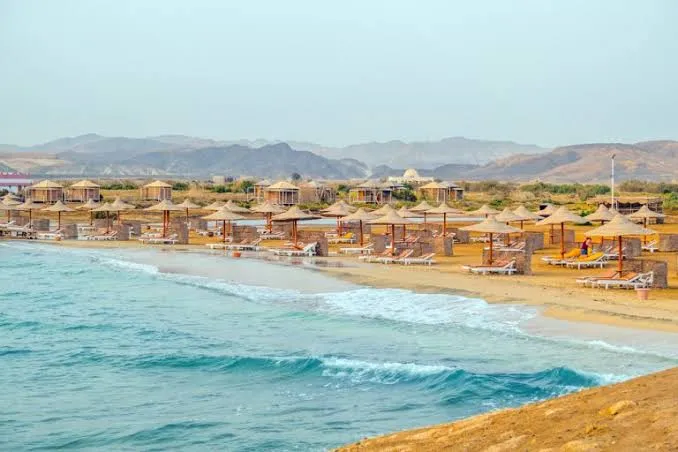
- Marsa Alam is quieter than the big northern resorts. Hotels are spread out and many are self-contained. There is no central strip of bars and shops. Evenings tend to be calm. That suits divers and couples and anyone who wants peace. It may not suit travelers who want nightlife on the doorstep.
- The distances are longer. Transfers from the airport to a resort can take a while depending on the location. Day trips often start early and cover long roads. Plan for that and keep your schedule simple.
- The reefs are the draw. The coastline has bays and offshore sites and the water is clear. Many travelers say the underwater scenery is the best on the Egyptian Red Sea.

Dive Sites and Reefs Worth Planning Around
Some names come up again and again when people talk about this coast.
- Abu Dabbab: A shallow bay known for seagrass and marine life. See Abu Dabbab.
- Sataya Reef: Known for dolphins and sheltered water. See Sataya Reef.
- Offshore reefs and islands: Reached by boat on full-day trips.
- House reefs: Many resorts have snorkeling access from the beach.
Always follow your guide's briefing and respect the marine life. Do not touch coral or chase animals. Calm water and early starts give the best experience. Browse Marsa Alam Trips to see what is on offer.
Topside Days: What to Do Out of the Water
Not every day needs to be wet. A balanced week has a few easy topside days.
- Desert evenings: A safari or a quad bike ride after sunset when the sand has cooled. See Egypt Desert Safari Tours.
- Camel rides: A camel ride in the dusk light is gentle and memorable.
- Jeep trips: A jeep outing into the desert hills suits curious travelers.
- Spa time: A Turkish bath turns a hot afternoon into the best part of the day.
- Boat rides: A relaxed boat ride gives a view of the coast.
Do not schedule desert activities for the afternoon in September. The sand holds heat and the day is already hot.

Marsa Alam Weather in September Compared With Hurghada and Sharm
| Resort | Typical September high | Notes |
| Marsa Alam | About 35°C | Quiet and reef-focused |
| Hurghada | About 34°C | More activity and more choice |
| Sharm El Sheikh | About 36°C | Lively and dive-friendly |
| Cairo | About 32 to 33°C | Dry and easing |
The three resorts are close in temperature. The real difference is the style. Marsa Alam is calm and reef-first. Hurghada has the most choice. Sharm has a strong dive scene and a lively evening life.
To compare read hurghada weather in september and hurghada in september and sharm el sheik weather in september. Browse Sharm El Sheikh Tours and Hurghada Tours and Excursions for what each offers. If you are weighing the whole month read is september a good time to visit egypt.
Getting There and Getting Around
- Marsa Alam has its own airport and many travelers arrive directly. Transfers to resorts vary in length so ask your hotel for the time and book the pick-up in advance.
- Moving between hotels and sites usually means a car or a tour bus. There is little public transport for visitors. A reliable operator makes the days much smoother. For packaged options see Egypt multi centre holidays and Egypt two centre holidays.

Pairing the Reef With the Nile
- Many travelers combine the coast with the river. A road across the desert connects the Red Sea to the Nile near Edfu. The south is much hotter than the coast in September so go early. See Edfu Temple and Kom Ombo Temple and browse Luxor Tours and Excursions.
- For a river trip with a reef finish see Nile cruise and Red Sea holiday and nile cruise september. The Valley of the Kings and Karnak Temple are the main targets in Luxor. Choose cooled transport and start at opening time.
Staying Comfortable
The month is manageable with a few habits.
- Water: Carry a bottle and drink steadily. Dry air hides sweat.
- Sun: Protect your skin all day.
- Timing: Use mornings for the sea and evenings for activity.
- Rest: Take a midday break in the shade or indoors.
- Sea safety: Follow the guide's briefing and do not stand on coral.
- Heat signs: Headache and dizziness and nausea mean get into shade and cool down.
If you have a condition that heat worsens talk to your doctor before you travel.
One last note on numbers. Forecast sites disagree by a degree or two because they use different stations and years. Read marsa alam weather in september as a band and not a single value. A 34 or 36°C afternoon is normal and the sea stays steady near 28°C either way. What matters more is how you spend the hot hours and whether your room is cool at night.
Families can browse Egypt family holidays and best family holidays in Egypt. Couples can look at couples holidays in Egypt and 5 star Egypt holidays.

What to Pack
- Sun gear: A wide hat and UV sunglasses and high-factor reef-safe sunscreen.
- Water gear: A rash vest and water shoes and a dry bag.
- Clothing: Light breathable fabrics and a thin layer for air-conditioned rooms and boats.
- Footwear: Sandals for the beach and closed shoes for excursions.
- Health: Seasickness tablets if you are sensitive and an electrolyte supply.
- Extras: A refillable bottle and a light scarf for covering shoulders away from the resort.
The Pre-Dive Briefing
Before every dive the guide runs the same short briefing. Here is yours.
Depth and plan: Slow and shallow and as long as you want.
Conditions: Warm water and a clear sky and a calm surface in the morning.
Hand signals:
- Thumb and finger circle: I am OK.
- Flat hand level: Take a break at the surface.
- Hand to chest: Something amazing is on the reef.
- Thumbs up: Let us go back to the boat.
Last question from the guide: Are you ready?
Give us the OK sign. Send your dates and the size of your group on WhatsApp and we will line up the hotel and the boat and the reef days. If you would rather sketch the plan first Plan Tailor-Made Egypt Trip is the place to start. The team at Bastet Travel will be waiting at the surface.

FAQs About Marsa Alam Weather in September
What is the weather in Marsa Alam in September?
Hot and dry. Expect highs near 35°C and nights near 25°C with almost no rain.
What is the sea temperature in Marsa Alam in September?
About 28 to 29°C. It is one of the warmest times of the year for swimming and diving.
Is September weather in Marsa Alam too hot?
For most travelers it is manageable. Mornings and evenings are comfortable and midday is for rest.
Is Marsa Alam good for diving in September?
Yes. The water is warm and the september weather in marsa alam keeps visibility usually good. Morning dives are the calmest.
Does it rain in Marsa Alam in September?
Almost never. Rainfall is essentially zero.
Is Marsa Alam in September crowded?
It is quiet compared with the larger resorts. Many hotels are calm and spread out.
What should I wear in Marsa Alam in September?
Light clothing and a hat for the day. Bring a rash vest and a thin layer for boats.


Guest comments