
 English
 Español
 Português
 Deutsch
 Français
 Italiano
 Русский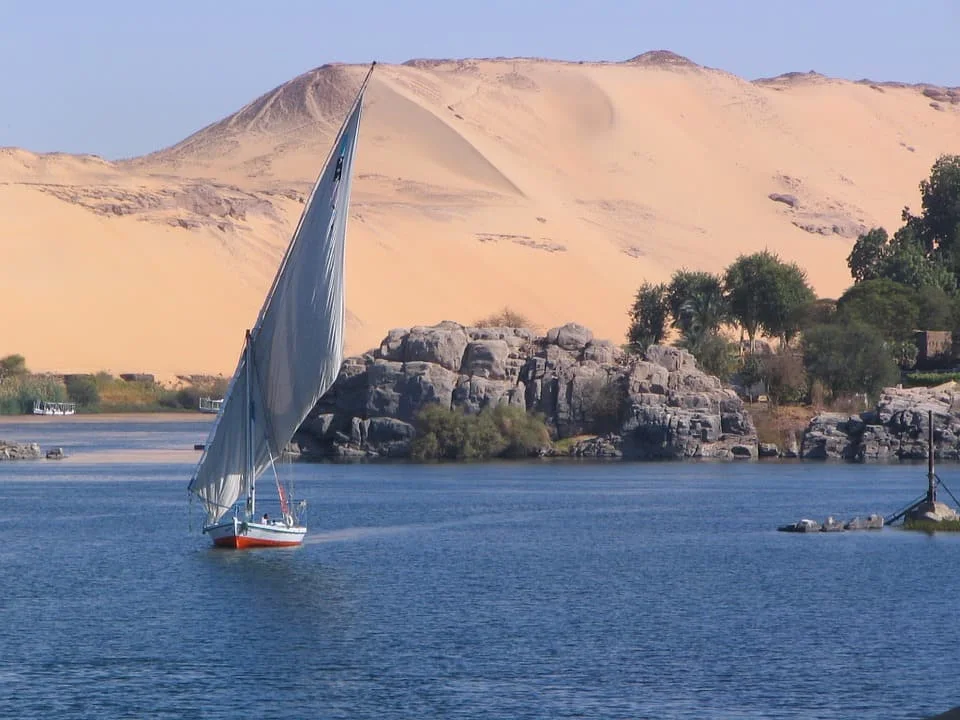
Understanding the weather in Luxor and Aswan is the first step toward an unforgettable Upper Egypt adventure. This guide breaks down the weather in Luxor and Aswan by season, helping you choose the perfect time for temples, cruises, and desert exploration.
The Story Begins: Why Upper Egypt's Climate Defines Your Journey
Every great journey begins with a decision. For travelers drawn to the temples of Upper Egypt, that decision is not simply where to go—it is when. The weather in Luxor and Aswan shapes everything: how you walk through the colonnades of Karnak Temple, how you sleep on the deck of a Nile cruise, how you photograph the rising sun over the Valley of the Kings. This is not a minor logistical detail. It is the backdrop against which your entire Egyptian story unfolds.
Upper Egypt sits in a desert climate belt that stretches across southern Egypt, a region characterized by hot, dry conditions for most of the year. Rain is so rare that many locals measure it in years rather than months. The real question is not whether it will be hot, but how hot—and that answer changes dramatically depending on the season you choose. Luxor and Aswan, separated by roughly 200 kilometers along the Nile, share this desert character, yet each city has its own rhythm, its own microclimate, and its own best moment in the calendar.
This guide tells the story of that climate—month by month, city by city, season by season—so that you can write your own Egyptian chapter with confidence.
Weather in Luxor: The City of a Hundred Gates
Luxor is often described as the world's greatest open-air museum, and the weather in Luxor reflects that role. The city experiences a subtropical desert climate with exceptionally low humidity and almost no rainfall throughout the year. According to climate data, Luxor receives only about 1.2 millimeters of precipitation annually, with an average of fewer than two rainy days per year. The sun shines almost constantly, which is precisely why ancient builders chose this location for monuments meant to endure for millennia.
But "sunny" does not mean "uniform." The weather in Luxor swings between two distinct personalities: a scorching summer and a mild, comfortable winter. Understanding this swing is essential for planning your visit to sites like Luxor Temple and the tombs scattered across the Luxor West Bank.
Summer in Luxor (May–September)
Summer in Luxor is not for the faint-hearted. From May through September, average high temperatures hover around 40°C (104°F), with June and July often reaching 41°C (106°F). The heat is dry rather than humid, which makes it more tolerable than coastal humidity, but the midday sun is still intense enough to discourage prolonged outdoor activity.
This is the low season for tourism, and that brings its own rewards: quieter temple sites, lower prices, and photographs largely free of crowds. The key to enjoying Luxor in summer is rhythm. Schedule your visits to the Hatshepsut Temple and the Valley of the Queens for the early morning hours. Retreat to air-conditioned spaces—such as the Luxor Museum or the Luxor Mummification Museum—during the hottest part of the day. Resume exploration in the late afternoon when the sun begins its descent behind the Theban hills.
Winter in Luxor (October–April)
Winter transforms Luxor into one of the most pleasant destinations in Egypt. From November through February, daytime highs average around 22–25°C (71–77°F), while nights can drop to 7–10°C (45–50°F). This is the season when walking through the Luxor East Bank feels effortless. The air is crisp, the light is golden, and the monuments seem to glow against a deep blue sky.
November is often cited as the single best month for weather in Luxor, offering a perfect balance of comfortable temperatures, clear skies, and manageable crowds. December and January bring the peak tourist season, so expect higher prices and fuller hotels, but the weather itself is nearly ideal.
What Makes Luxor's Weather Unique?
Three factors distinguish the weather in Luxor from other Egyptian destinations:
- Extremely low humidity. Luxor's inland location means humidity rarely exceeds 40%, even in winter. This makes high temperatures feel more bearable and reduces the "sticky" sensation common in coastal cities.
- Minimal rainfall. The city receives virtually no rain. Planning outdoor activities carries almost no risk of weather disruption.
- Sharp day-night temperature swings. Desert climates lose heat rapidly after sunset. Even in summer, evenings are noticeably cooler than the midday peak. In winter, this swing is dramatic enough to require layers.
For travelers planning a Luxor Tours and Excursions itinerary, these characteristics mean that early mornings and late afternoons are consistently the most comfortable times for outdoor exploration.
Weather in Aswan: The Gateway to Nubia
Aswan sits further south than Luxor, and that geographic difference matters. The weather in Aswan is warmer on average, with even less rainfall and a climate that borders on hyper-arid. Annual precipitation in Aswan measures roughly 0.3 millimeters—effectively zero for practical purposes. The city experiences more than 360 days of sunshine per year.
This warmth is part of Aswan's identity. It is the city of the Philae Temple, the High Dam, and the Unfinished Obelisk—monuments that bask in near-perpetual sunlight. But like Luxor, Aswan has two faces: a fierce summer and a gentle winter.
Summer in Aswan (May–September)
Aswan ranks among the hottest inhabited places on Earth during peak summer. From June through August, average high temperatures reach 40–42°C (104–108°F), with record highs approaching 48°C (119°F). The heat is dry and relentless, but it is also predictable. Humidity remains low, typically between 15% and 25%, which allows the body to cool more efficiently than in humid climates.
Summer in Aswan demands respect. Visit the Nubian Museum or the Aswan Museum during the midday hours, when air-conditioned interiors offer refuge. Plan boat trips to Elephantine Island or the Botanical Garden for early morning or late afternoon. A Felucca Ride on the Nile becomes a genuinely refreshing experience when the sun begins to set.
Winter in Aswan (October–April)
Winter is the season when Aswan becomes a true paradise. Daytime temperatures from November through March average 23–28°C (73–82°F), with nights cooling to 10–15°C (50–59°F). This is the time to explore the Nubian Village, sail to Abu Simbel Temple, or simply sit on a hotel terrace overlooking the Nile and watch the river traffic drift by.
The Abu Simbel Sun Festival, held twice yearly in February and October, takes advantage of the winter sun's alignment with the temple's inner sanctum—a phenomenon that underscores how deeply ancient Egyptians understood their climate.
How Aswan Differs from Luxor
The weather in Aswan is consistently 2–3°C warmer than the weather in Luxor across all months. Aswan also receives slightly more sunshine hours and even less rainfall. For travelers sensitive to heat, this difference is worth noting: if Luxor feels warm in April, Aswan will feel hot. If Luxor feels comfortable in November, Aswan will feel pleasantly warm.
Both cities share the same basic desert climate, but Aswan's southern position amplifies its extremes. This makes winter the undisputed best season for Aswan, while Luxor offers slightly more flexibility in the shoulder months.
Best Time to Experience the Weather in Luxor and Aswan
Choosing when to visit Upper Egypt is a personal calculation that weighs temperature, crowds, and cost. The weather in Luxor and Aswan follows a predictable pattern, which means you can plan with confidence.
Peak Season: November to February
This is the golden window. Daytime temperatures in both cities range from 22°C to 28°C (72–82°F), with clear skies and minimal wind. Every major site—from the Colossi of Memnon to the Tomb of Tutankhamun—is comfortable to explore at any hour.
The trade-off is crowds. December and January coincide with Christmas and New Year holidays, drawing large numbers of visitors. If you are considering this window, explore Christmas and New Year Egypt Tour Packages early, and book your Nile Cruise well in advance.
Shoulder Season: March–April and October
March and October offer a middle path. Temperatures are warmer than peak season but not yet extreme, typically ranging from 28°C to 35°C (82–95°F). Crowds thin out, prices become more reasonable, and the light remains excellent for photography. Travelers visiting during Easter can also review Easter Egypt Tour Packages for seasonal options.
April can bring the khamsin, a hot, dry wind that occasionally carries dust from the desert. These events are unpredictable but usually brief, lasting a day or two.
Low Season: May–September
Summer is the domain of budget travelers and heat-tolerant adventurers. Temperatures regularly exceed 40°C (104°F), and outdoor activity between 11 a.m. and 4 p.m. is genuinely uncomfortable. But the rewards are substantial: dramatically lower prices, empty temples, and a sense of having these ancient sites almost to yourself.
For those who choose summer, the Hot Air Balloon ride over Luxor at dawn becomes an even more magical experience—the cool morning air and soft light create conditions that midday visitors never see.
Packing for the Weather in Luxor and Aswan
What you pack depends entirely on when you travel. The weather in Luxor and Aswan demands a strategy of layering and sun protection, regardless of season.
For winter travel (November–February): Pack light cotton clothing for daytime, but include a warm jacket or sweater for evenings and early mornings. A scarf is useful for both warmth and sun protection. Comfortable walking shoes are essential for temple floors and tomb passages such as Deir el-Medina and the Ramesseum.
For summer travel (May–September): Lightweight, loose-fitting linen or cotton clothing is the only sensible choice. Avoid synthetic fabrics that trap heat. A wide-brimmed hat, high-SPF sunscreen, and a reusable water bottle are non-negotiable. Sunglasses protect against glare from sand and stone.
Year-round essentials: Sunscreen, lip balm, a light scarf for dusty conditions, and a power bank for long days of photography. The sun in Upper Egypt is strong even in December, so sun protection matters every month.
Activities That Match the Climate
The weather in Luxor and Aswan does more than determine when you travel—it shapes what you do. Certain experiences are best enjoyed in specific seasons.
Nile Cruises Between Luxor and Aswan
A Luxor To Aswan Nile Cruises journey is the classic way to experience Upper Egypt. The cruise season runs year-round, but winter offers the most comfortable conditions. Sailing between the Edfu Temple and the Kom Ombo Temple, you'll understand why this river has drawn travelers for millennia. For a more intimate experience, consider a Dahabiya Nile Cruise—a smaller, traditional sailing vessel that moves at a gentler pace.
Hot Air Balloon Rides Over Luxor
The Hot Air Balloon experience in Luxor is best in winter, when dawn temperatures are cool and the air is clear. Floating above the Medinet Habu and the tombs of the west bank as the sun rises is one of Egypt's most unforgettable moments. Summer flights operate but start earlier to beat the heat.
Felucca Sailing in Aswan
A Felucca Ride on the Nile in Aswan is a slow, quiet pleasure. These traditional sailboats rely on the wind, which means the experience is best when breezes are steady—typically in winter and early spring. The ride around Elephantine Island offers a perspective on the river that no motorized boat can match.
Summary of the Weather in Luxor and Aswan
The weather in Luxor and Aswan is not an obstacle to be managed—it is part of the experience. The same desert sun that bleaches the limestone of ancient temples and warms the waters of Lake Nasser Cruise routes has shaped this landscape for thousands of years. Choosing your season is choosing your story: a winter journey of comfortable exploration, a spring adventure with golden light and occasional desert winds, or a summer pilgrimage of quiet temples and early mornings.
For travelers ready to write their own Egyptian chapter, Bastet Travel offers curated itineraries that align with the seasons. Whether you are drawn to a Nile Cruise between Luxor and Aswan, a Luxor Temple Sound and Light Show under the stars, or a Plan Tailor-Made Egypt Trip designed around your schedule, the right season makes all the difference.
Reach out via WhatsApp to begin planning, or explore Egypt Tour Packages that match your preferred travel window. For those curious how Upper Egypt's climate compares to other Egyptian destinations, our guide to Sharm El Sheikh weather at Christmas offers a coastal contrast, while New Year's Eve in Luxor shows how the city celebrates in its most comfortable season. Upper Egypt is waiting—and its climate, once understood, becomes not a challenge but a companion.
Weather in Luxor and Aswan: Frequently Asked Questions
What is the best month to visit Luxor and Aswan?
November is widely considered the best month. Temperatures are comfortable (22–28°C), skies are clear, and the peak holiday crowds have not yet arrived. February and March are also excellent.
How hot does it get in Luxor in summer?
Average high temperatures in June, July, and August reach 41°C (106°F). Nighttime temperatures drop to around 25–26°C (77–79°F), providing some relief.
Does it rain in Aswan?
Rain in Aswan is extremely rare. The city receives roughly 0.3 millimeters of precipitation per year, often with no measurable rainfall for years at a time.
Can I visit Luxor and Aswan in summer?
Yes, but with adjustments. Plan outdoor activities for early morning and late afternoon, stay hydrated, and take advantage of air-conditioned museums and hotels during midday. Summer travel offers significant cost savings.
What should I wear in Luxor and Aswan in winter?
Light layers are best. Daytime calls for cotton shirts and light trousers, but evenings require a jacket or sweater. Early morning hot air balloon flights can be surprisingly cold.
Is the weather in Luxor and Aswan different from Cairo?
Yes. Upper Egypt is significantly hotter and drier than Cairo. Travelers often plan around Cairo temperatures and are surprised by how much warmer Luxor and Aswan feel.
When is the Abu Simbel Sun Festival?
The Sun Festival occurs twice yearly, on February 22 and October 22. It celebrates the alignment of the sun with the inner sanctum of Abu Simbel Temple, illuminating three of four seated statues.


.webp)
Guest comments